

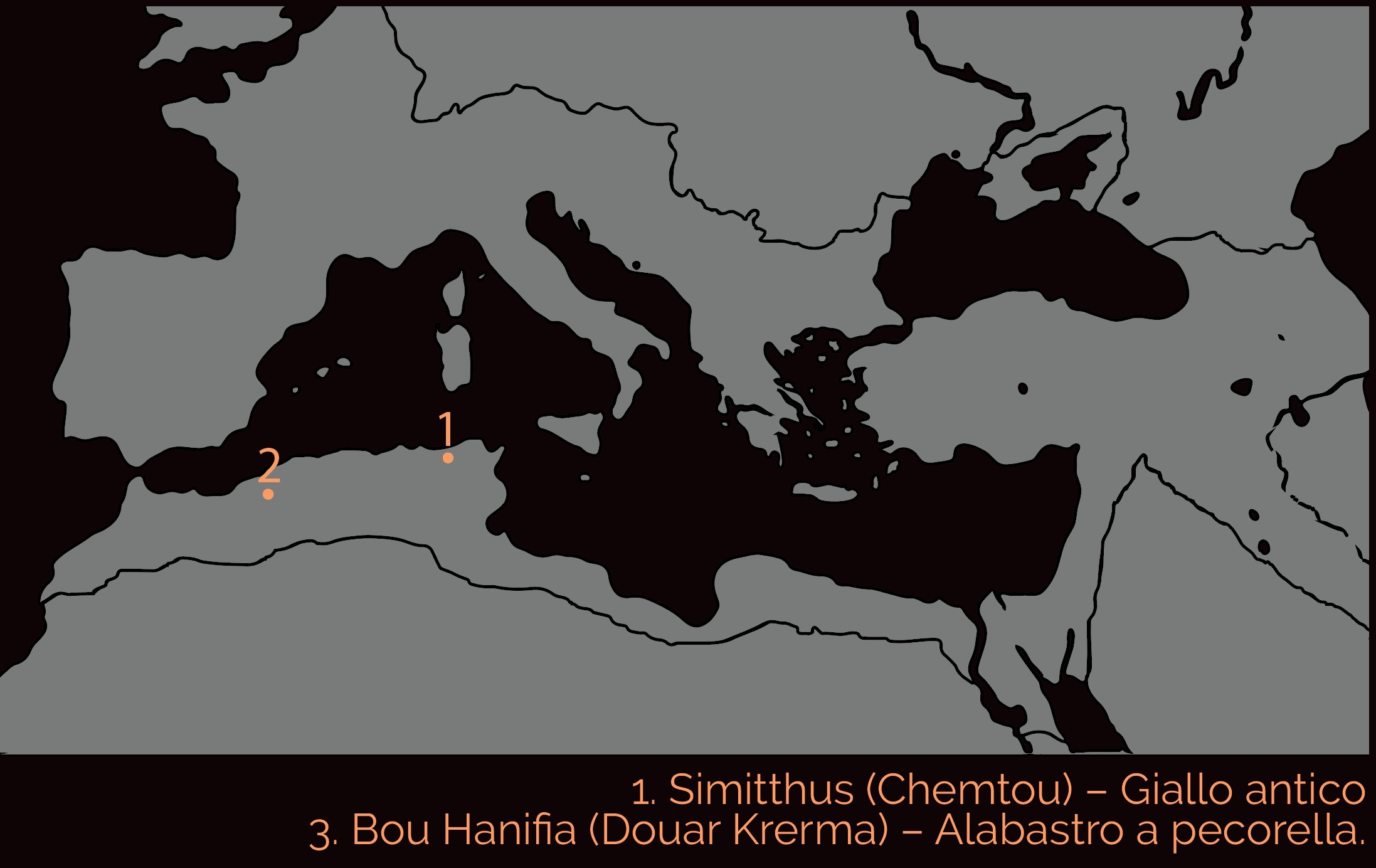
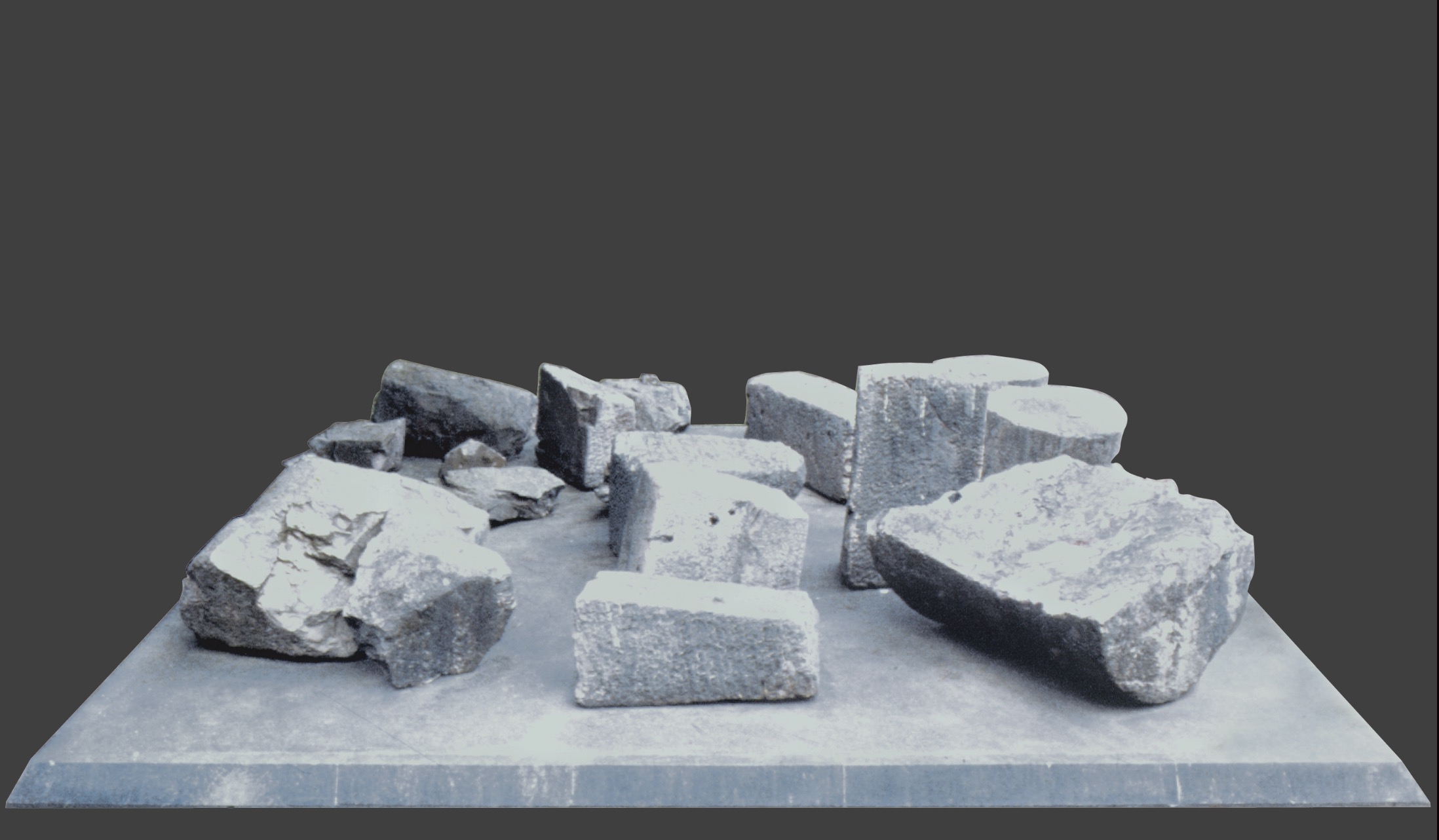
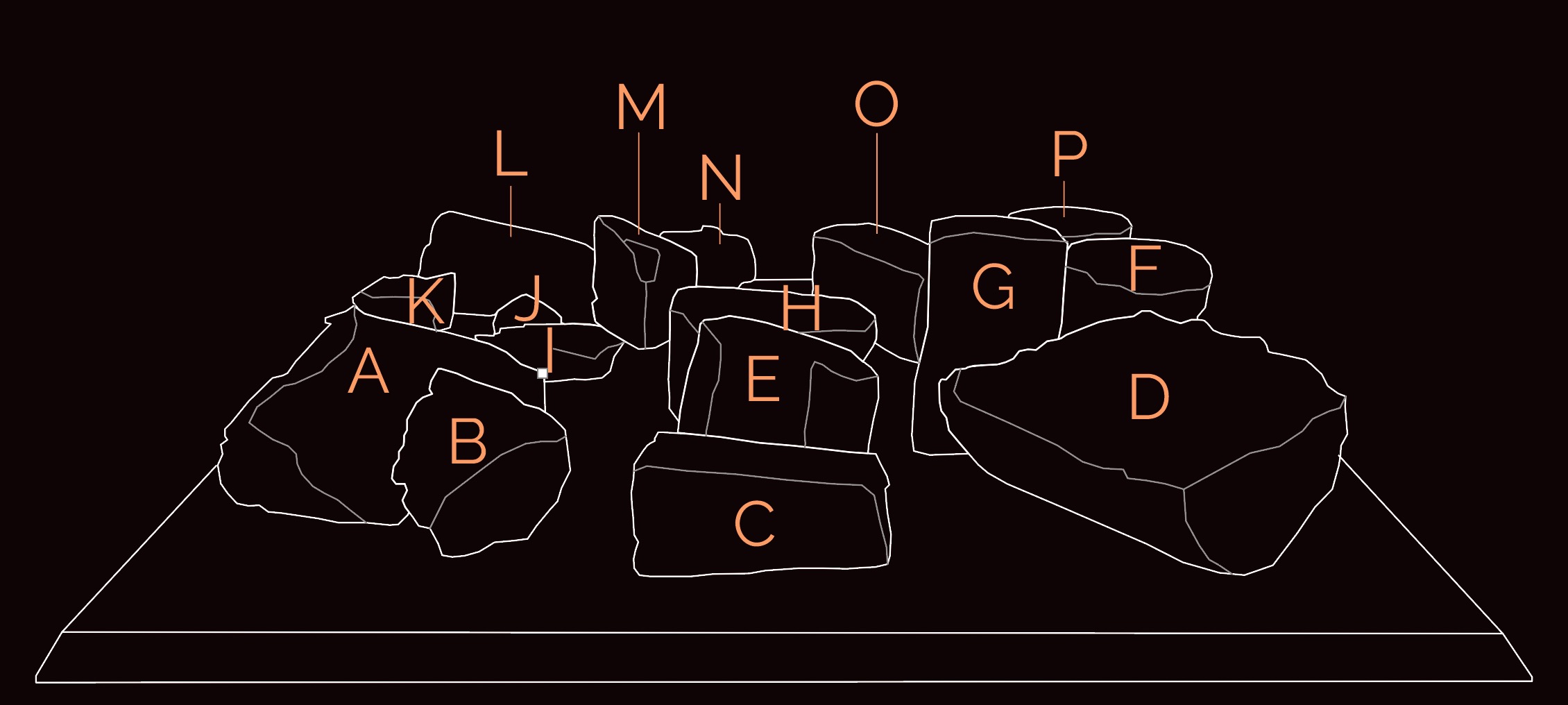
Der Giallo antico wurde bereits Ende des 2. Jh. v. Chr. nach Rom importiert. Er wurde hauptsächlich für Verkleidungsplatten und Säulenschäfte verwendet, von denen eine großzügige Schenkung des Kaisers Tacitus (275-276 n. Chr.) an Ostia bekannt ist. Die hier ausgestellten Blöcke, die bereits im 1. Jh. n. Chr. importiert wurden, fanden jedoch erst in späterer Zeit Verwendung, wie ihre Entdeckung im Opus-sectile-Gebäude vor Porta Marina beweist. Der Block aus alabastro a pecorella aus Algerien und die beiden Blöcke aus alabastro listato (oder fiorito) aus Kleinasien, die anderen in Rom gefundenen Blöcken ähneln, waren wohl für die Herstellung von Verkleidungsplatten bestimmt.
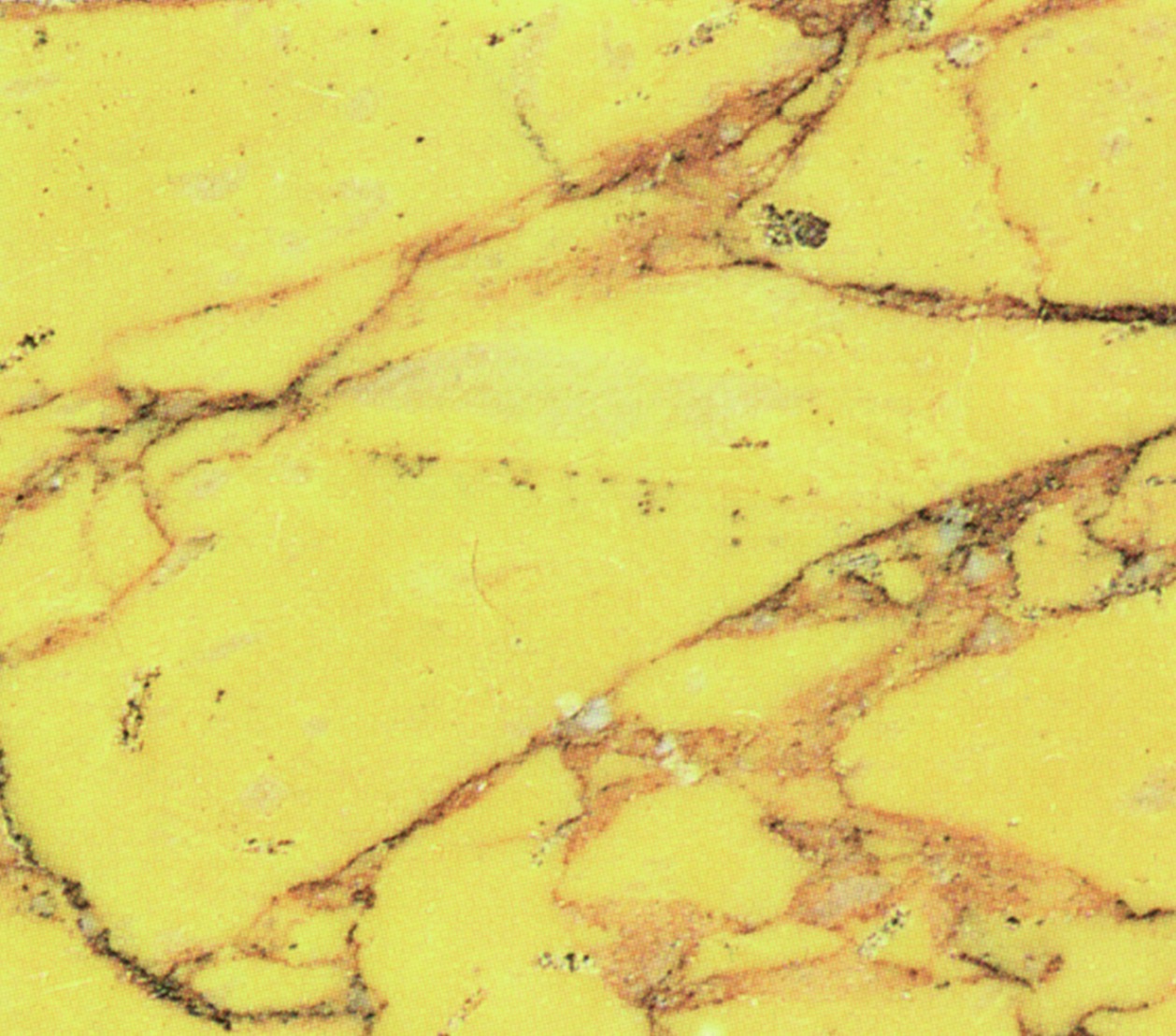
Proben von Giallo antico, alabastro a pecorella und alabastro listato oder fiorito aus der Sammlung Podesti
(Pensabene P., Bruno M. 1998)
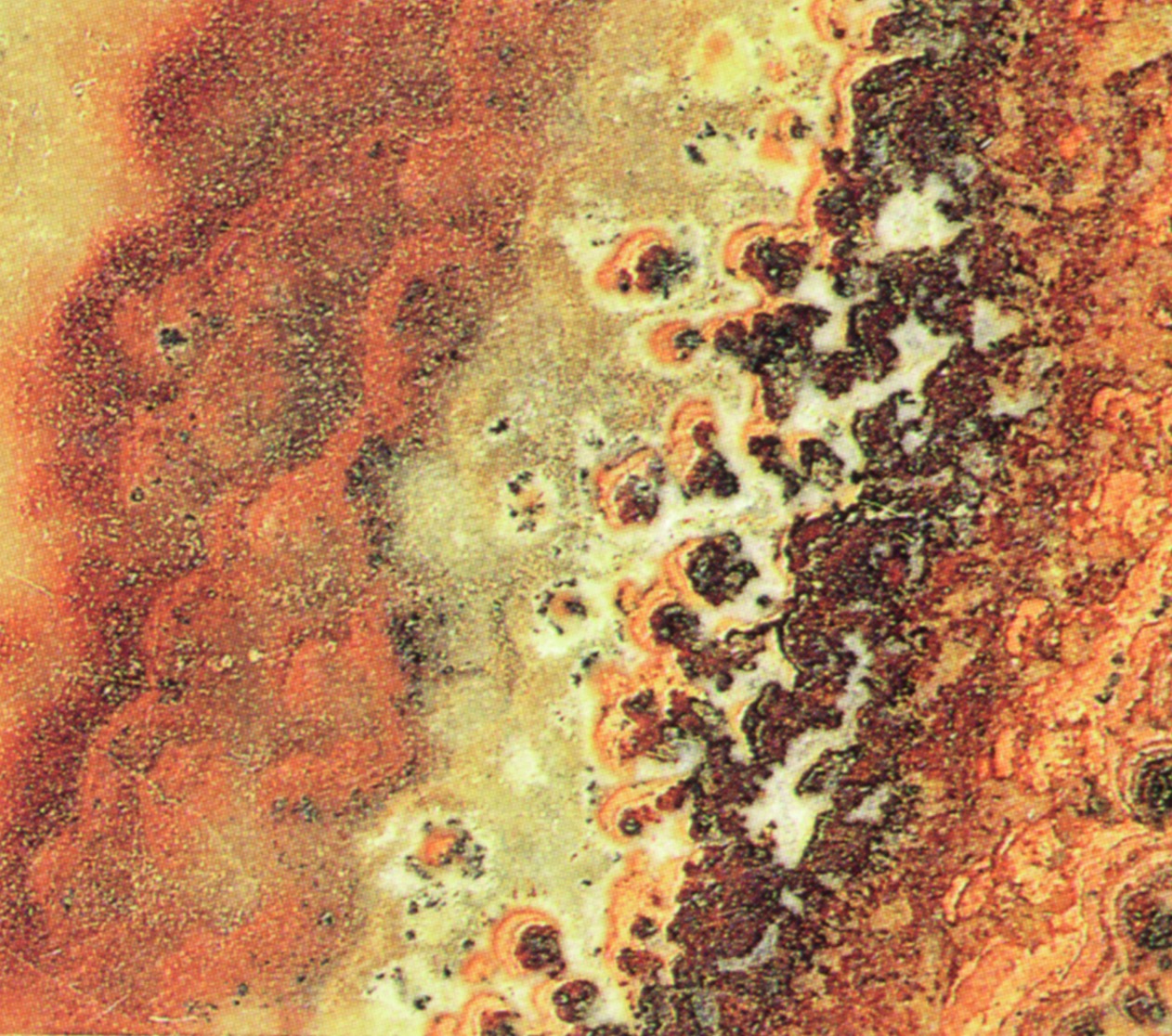
Proben von Giallo antico, alabastro a pecorella und alabastro listato oder fiorito aus der Sammlung Podesti
(Pensabene P., Bruno M. 1998)
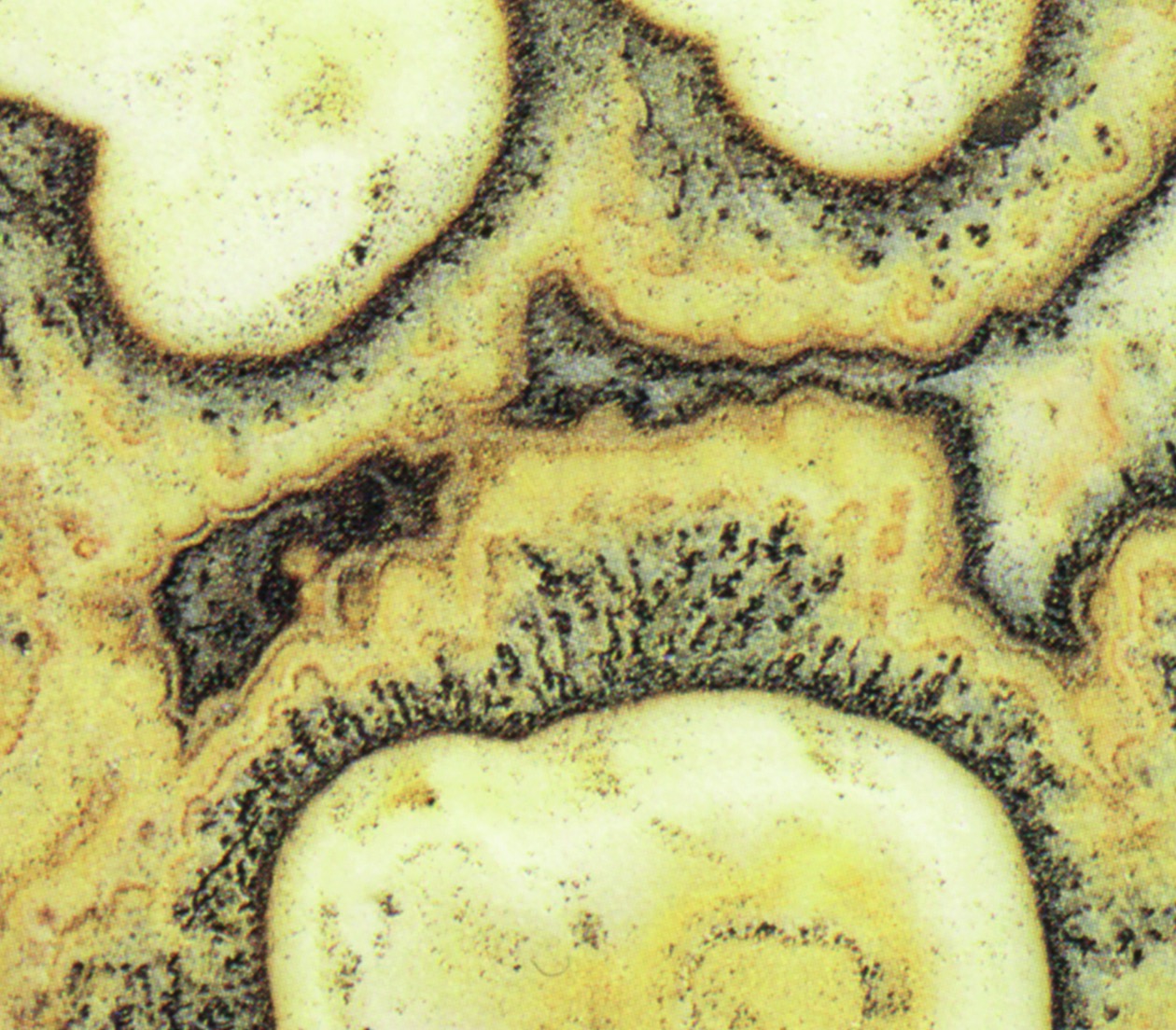
Proben von Giallo antico, alabastro a pecorella und alabastro listato oder fiorito aus der Sammlung Podesti
(Pensabene P., Bruno M. 1998)
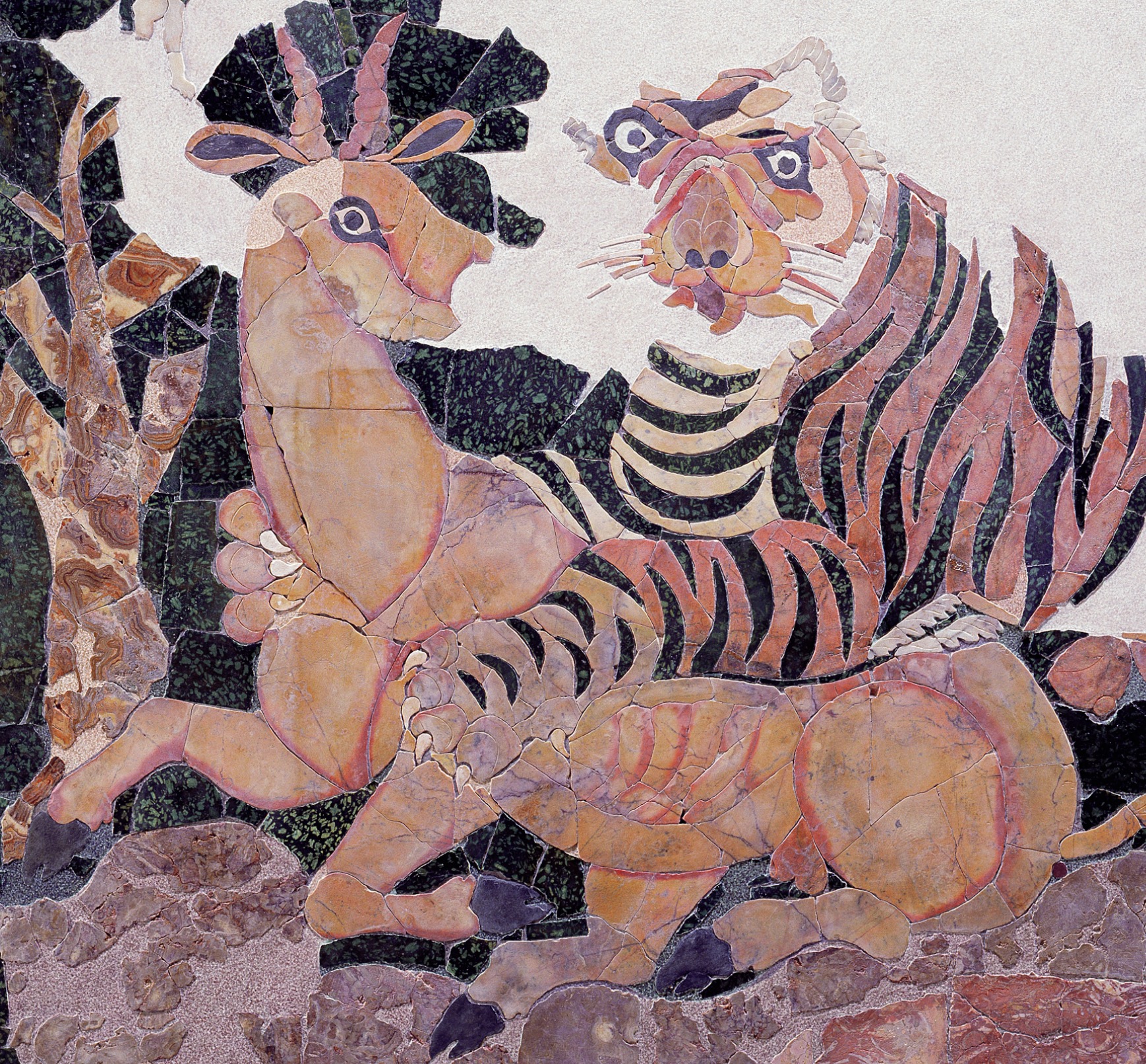
Marmorintarsien aus Giallo antico aus dem Opus-sectile-Gebäude vor Porta Marina
(De Masi 2005)
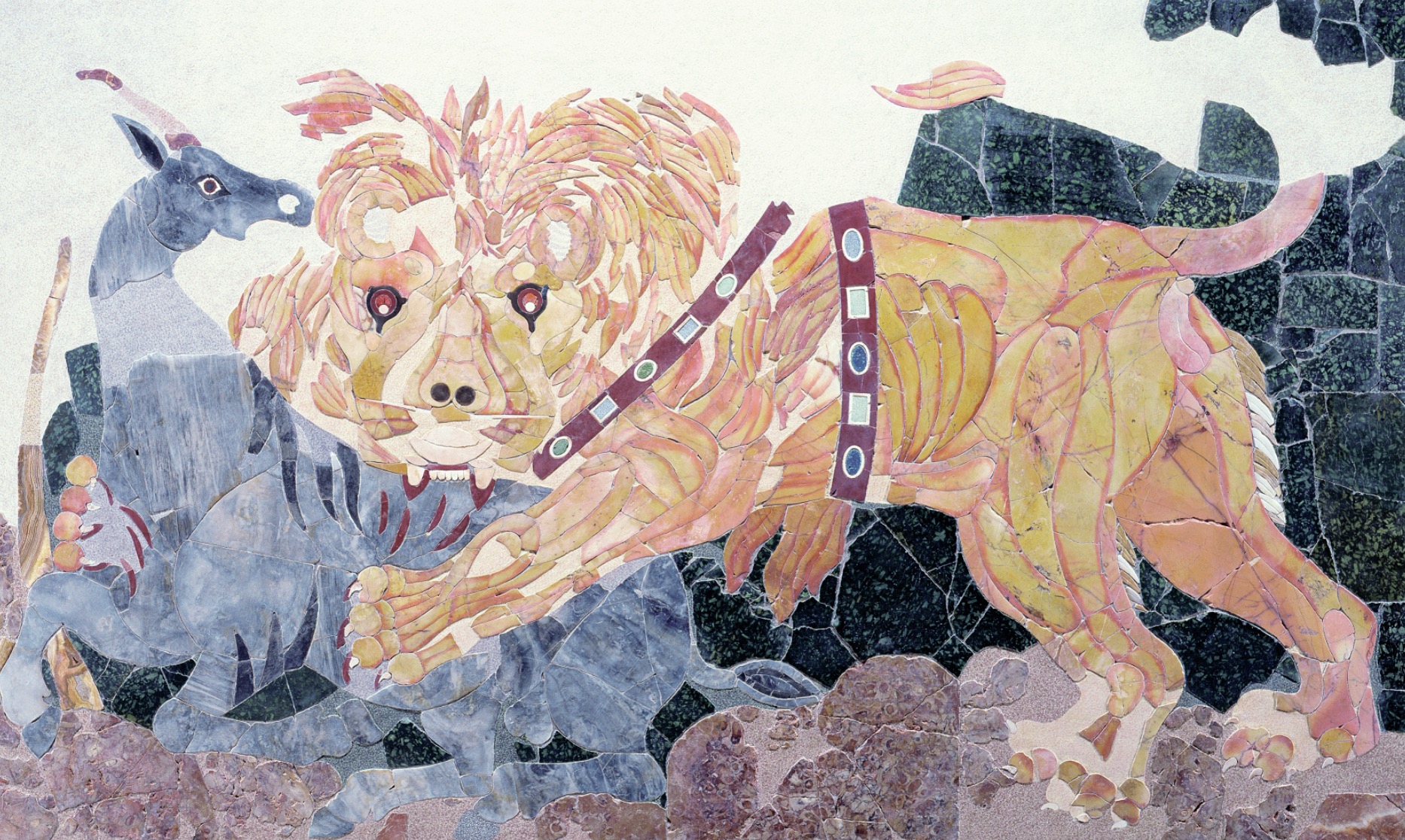
Marmorintarsien aus Giallo antico aus dem Opus-sectile-Gebäude vor Porta Marina
(De Masi 2005)
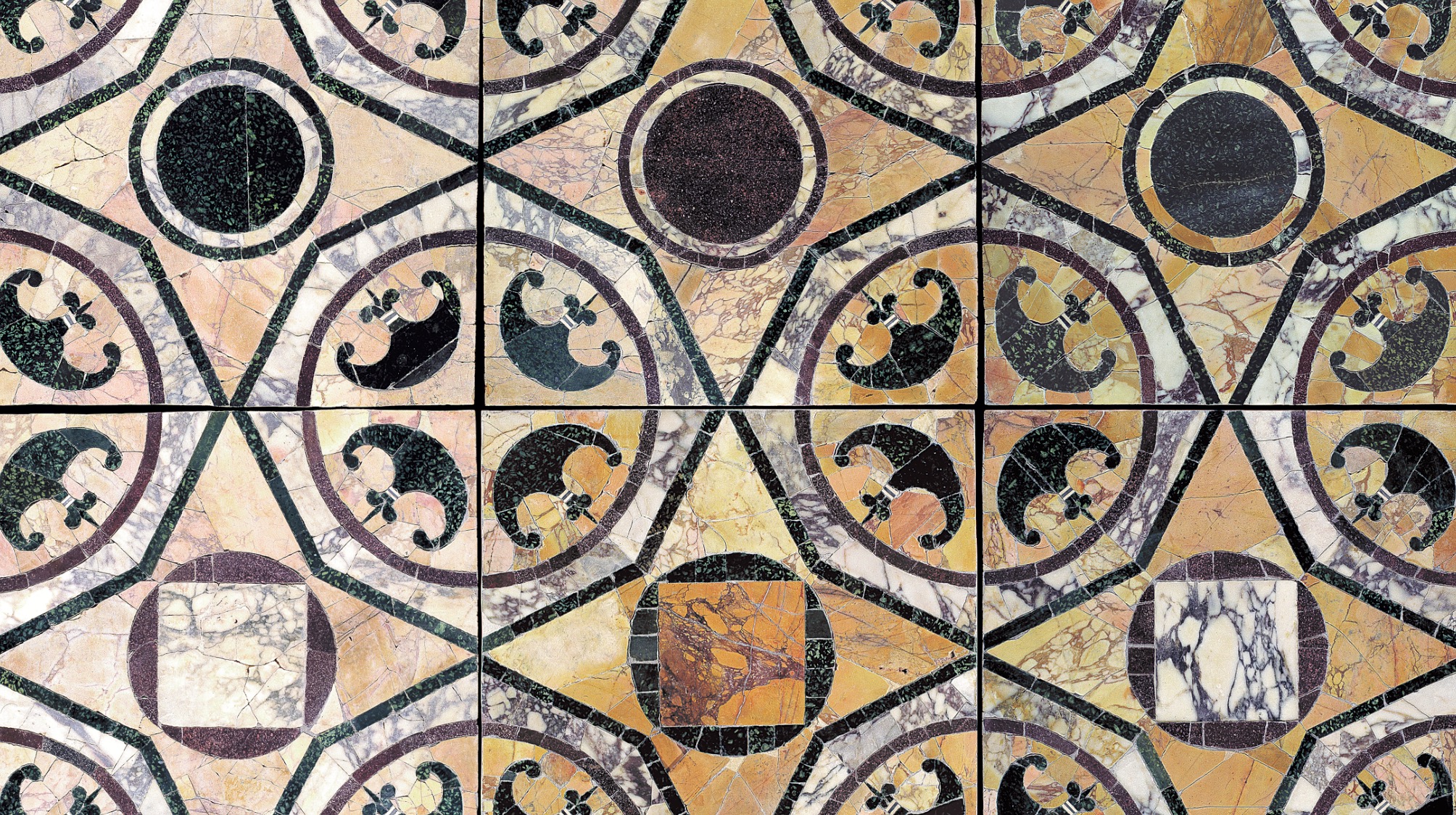
Rom, Museo delle Civiltà. Detail des Fußbodens des Opus-sectile-Gebäudes aus Giallo antico, Pavonazzetto, Serpentin und rotem ägyptischem Porphyr
(De Masi 2005)
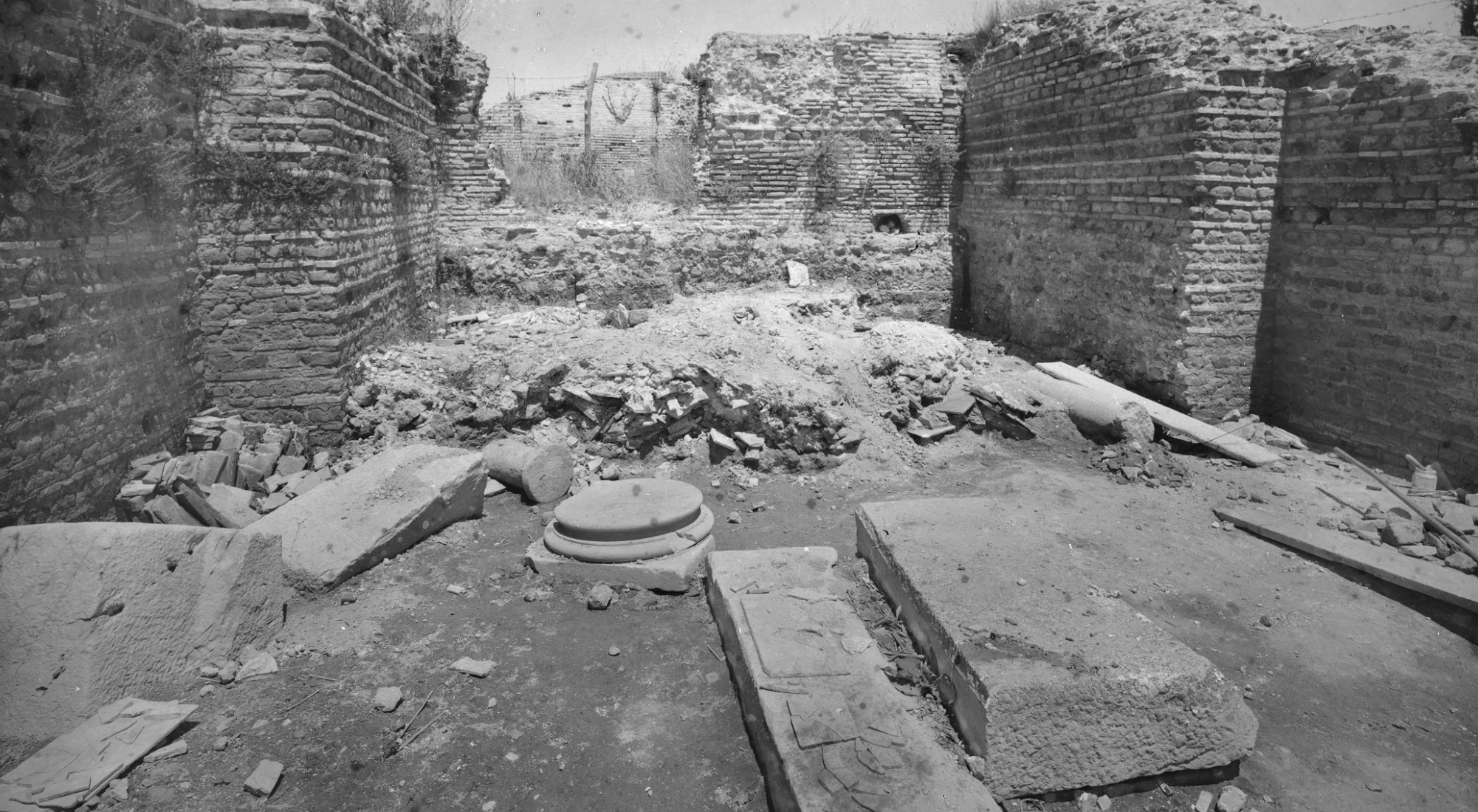
Ostia. Entdeckung von Blöcken aus Giallo antico bei Ausgrabungen des Opus-sectile-Gebäudes vor Porta Marina im Jahr 1959
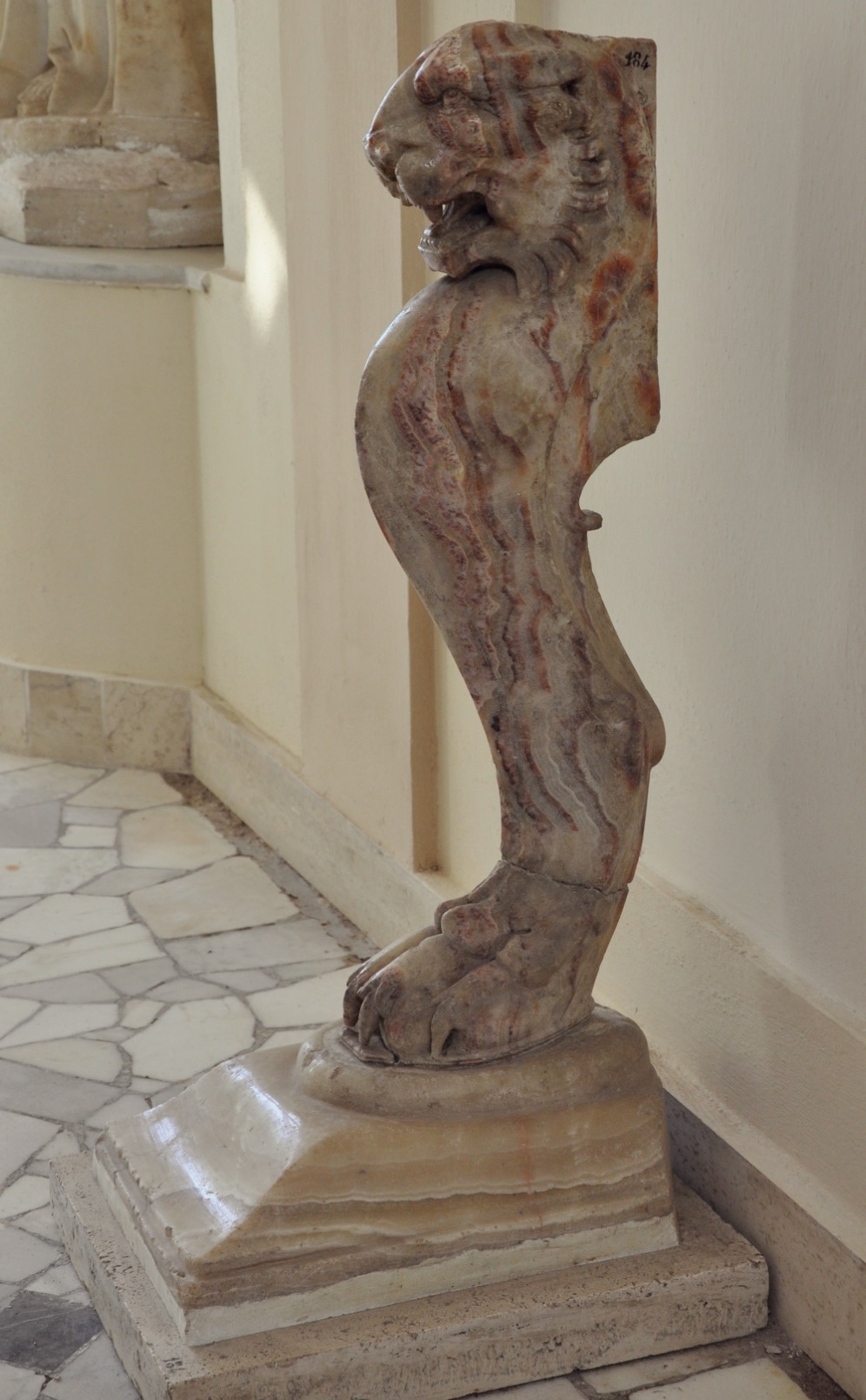
Museo Ostiense. Tischstütze aus alabastro a pecorella
(Bruno M. 2019)