



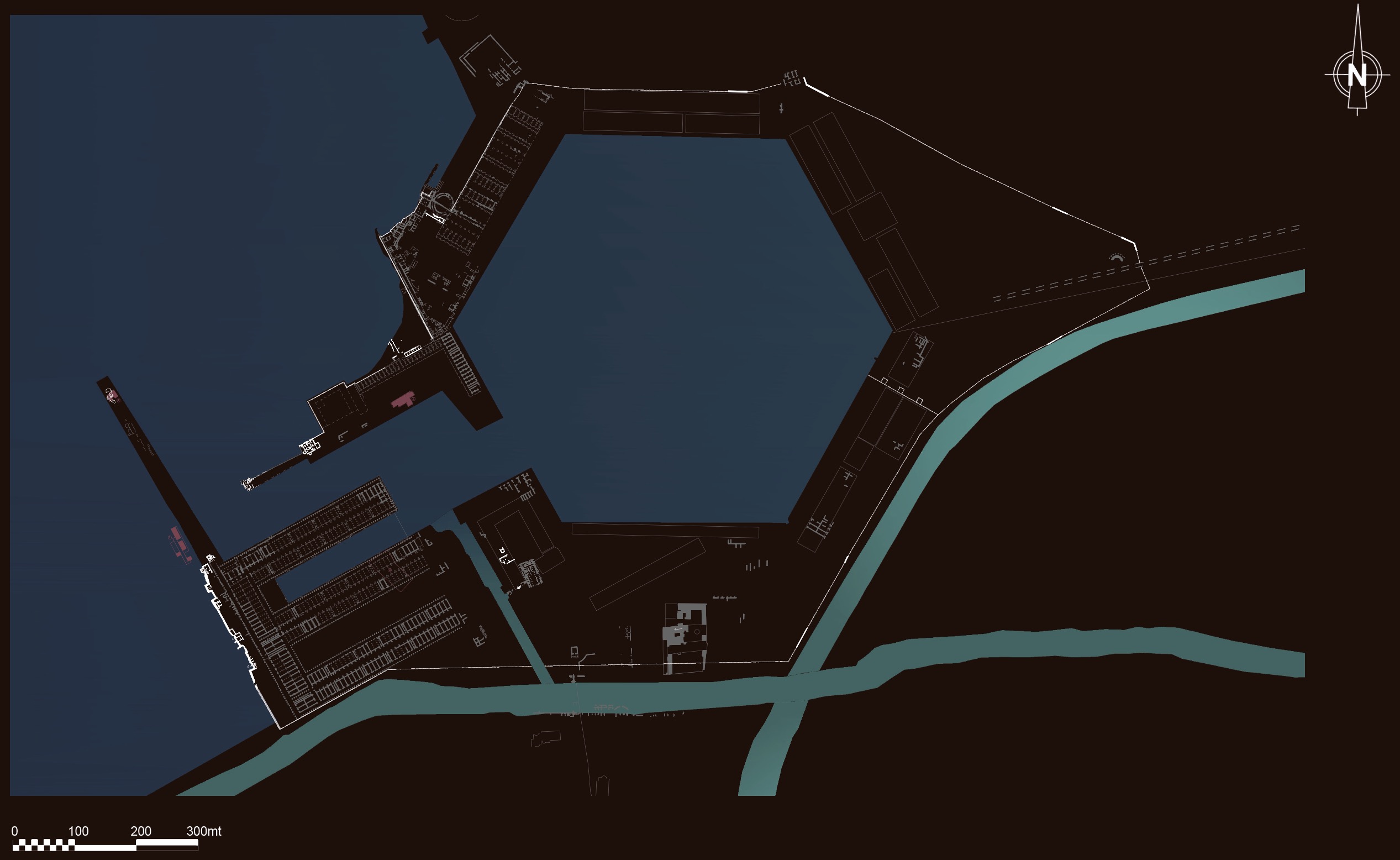
In the Age of Constantine, between 313 and 314 AD, Portus achieved complete administrative autonomy and took the name of civitas Flavia Costantiniana Portuensis. Home to a thriving Christian community, the city became a diocese. The first phase of the life of the Basilica Portuense and the construction of warehouses in the Antemurale area are attested during the 4th century AD, while intense trading activity is documented until the mid-5th century AD. Towards 480 AD, a circuit of defensive walls was built to protect the innermost part of the harbour from attacks by sea. By the 6th century AD, the basin of Claudius had mostly silted up, while the gradually abandoned warehouses were partially occupied by burials. As Procopius of Caesarea reported, during the Gothic Wars (535-553 AD) the port was the centre of violent clashes between the Ostrogoths and the Byzantines vying for control over it. Lastly, with the stable Byzantine presence, the Imperial Palace and the surrounding areas were demolished, and the city’s administrative heart shifted to the zone around Basilica Portuense, which was frequented at least through the 13th century.
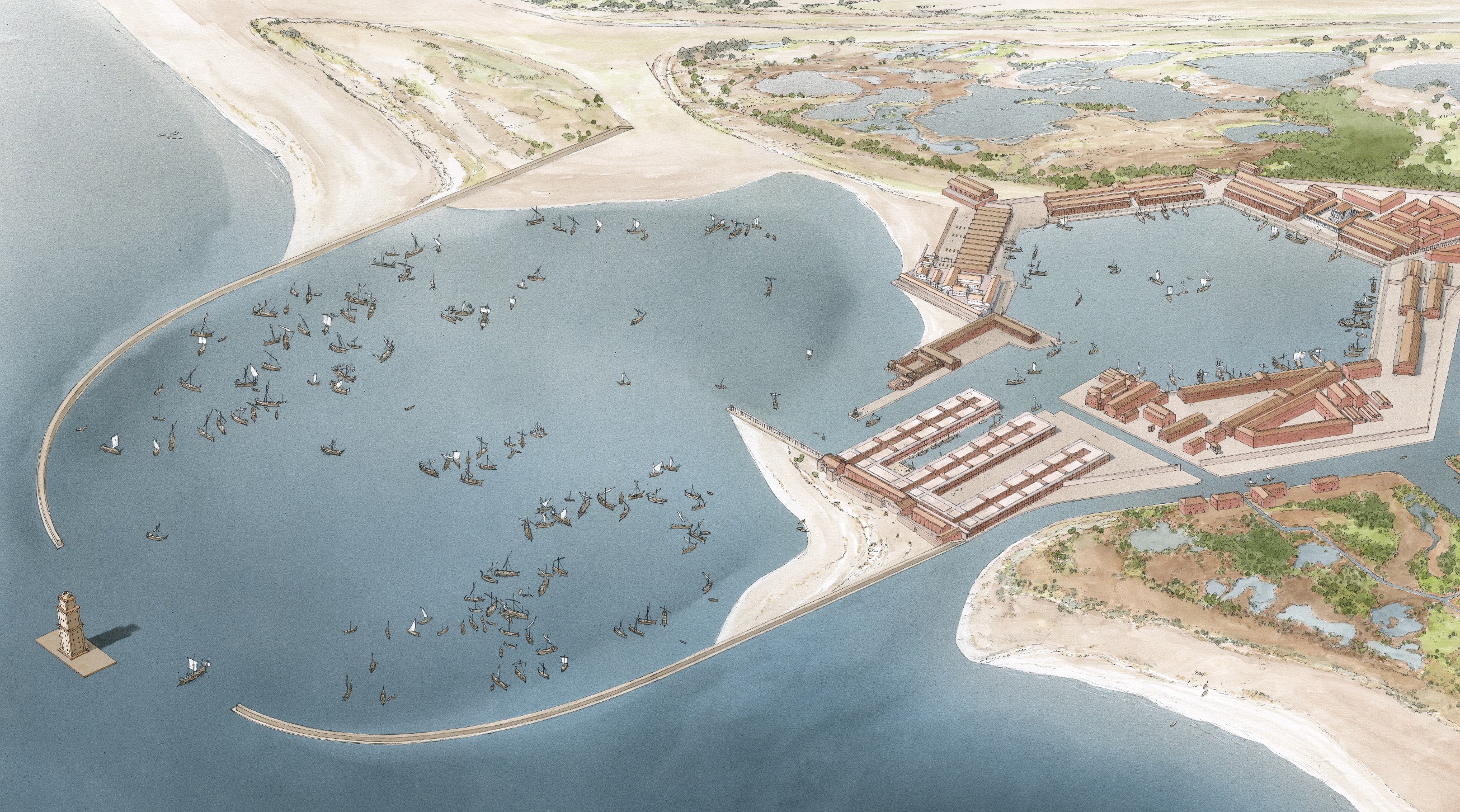

Reconstructed aerial view of the Harbours of Claudius and Trajan in Late Antiquity
(Portus Project/Artas Media)
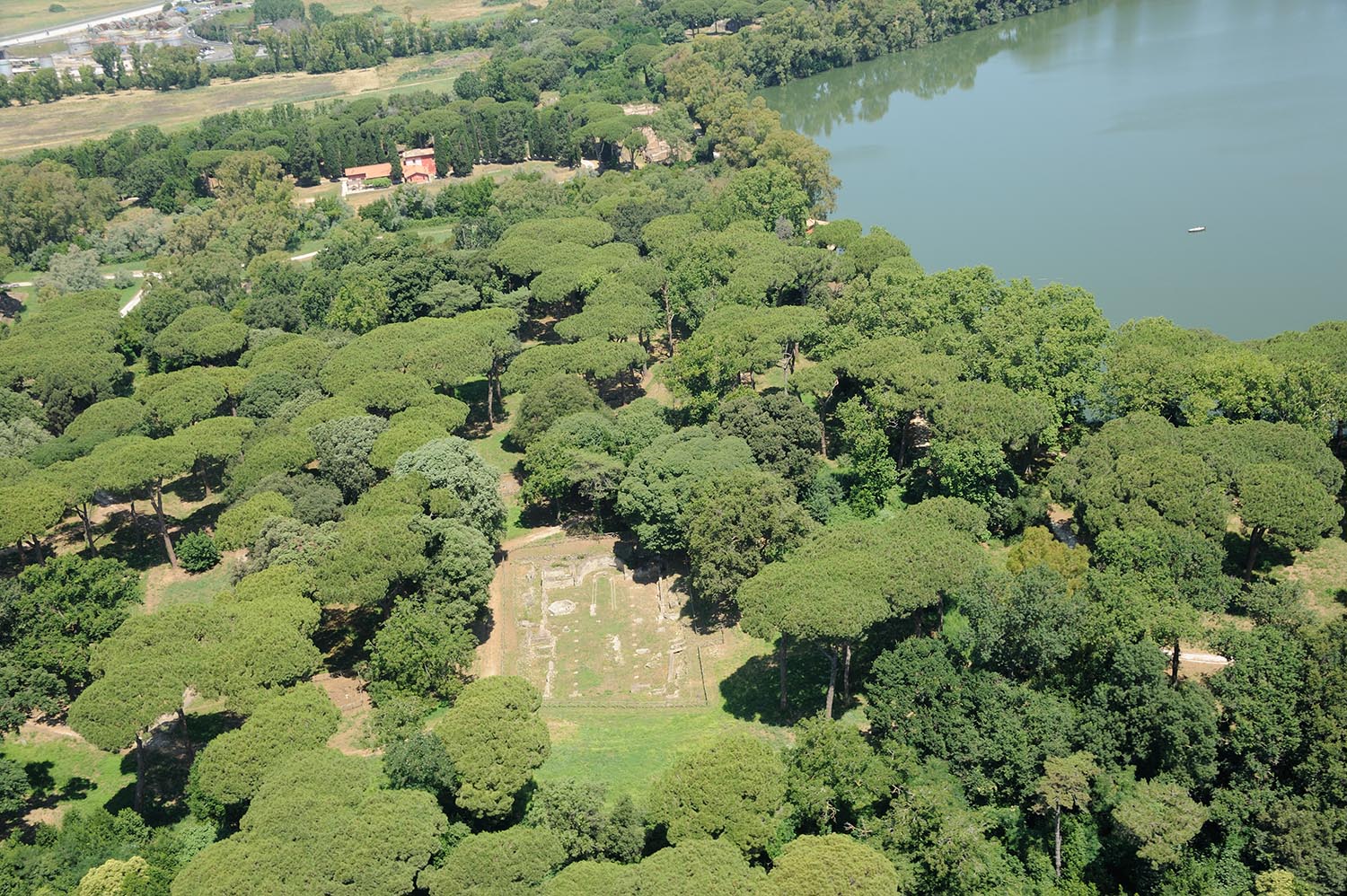
Aerial view of the Christian basilica of Portus (5th-13th centuries AD)
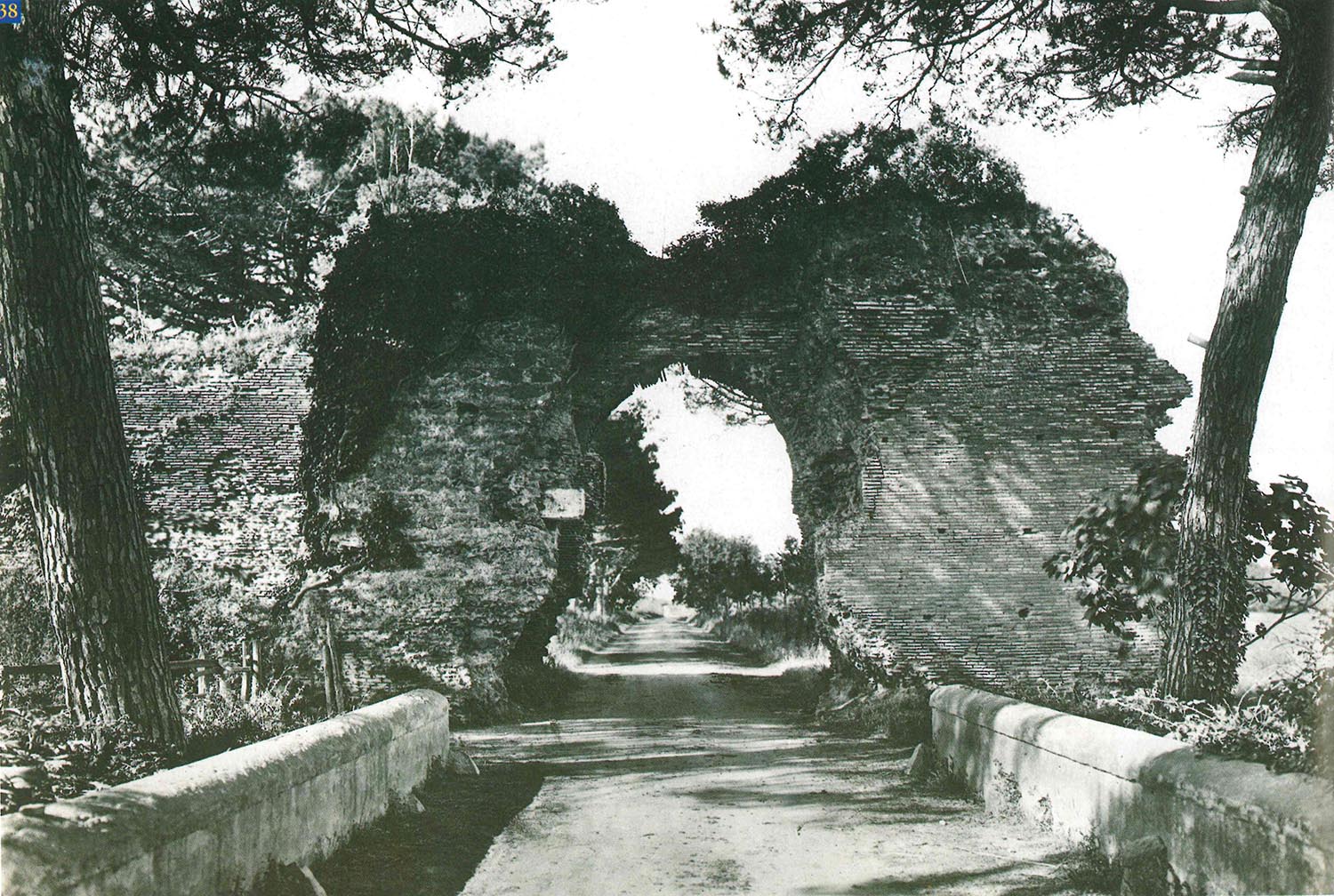
The arch of Santa Maria, a gate in the city’s Late Antique walls
(photo: P. Verduchi)
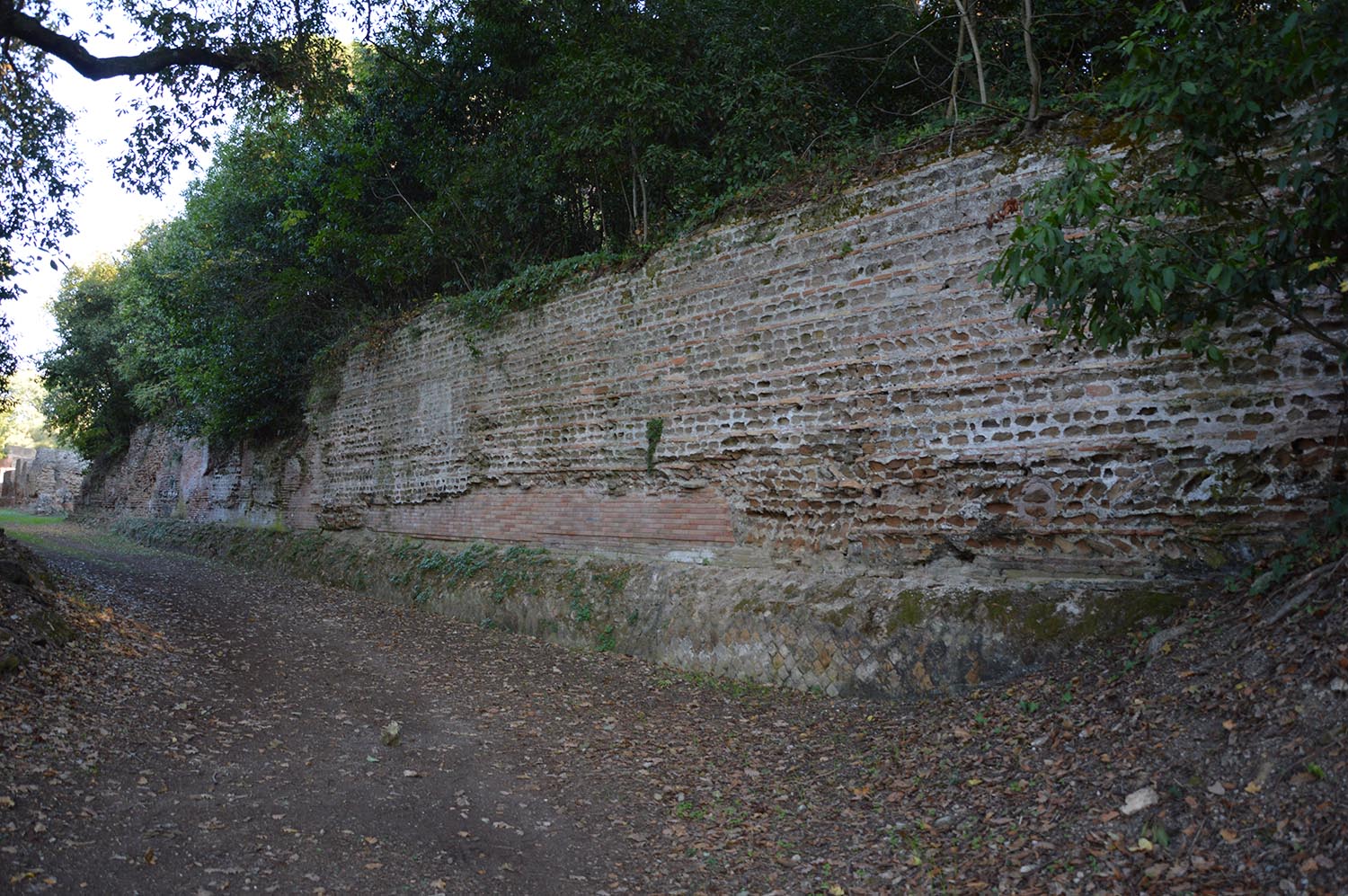
Section of Late Antique wall of Trajan’s warehouses in the vicinity of the internal ship canal

Late Antique burial near the Navalia
(photo: Portus Project)