



Starting in the 1920s, Prince Giovanni Torlonia had a strong influence over the site’s plant life. In addition to the pine trees still present today, subsequent years saw the planting of numerous fruit trees especially in the lands around the farmstead, now no longer to be seen; the only aesthetic and geometric lines that can currently be recognized are those of the row of Platanus hybrida leading to the Imperial Palace, of the Cupressus sempervirens in the area of the farmstead, and of the Pinus pinea and Quercus ilex stretching along the quay of Trajan’s warehouses and around the wet dock. The most recent planting is the row of Eucalyptus globulus along the fence at the entrance to the archaeological area. Spontaneous vegetation is concentrated above all along the drainage channels of Lago di Traiano and in the wet dock: here, the wetland plants, which provide nesting for migrating birds, alternate with laurel, viburnum, and buckthorn.
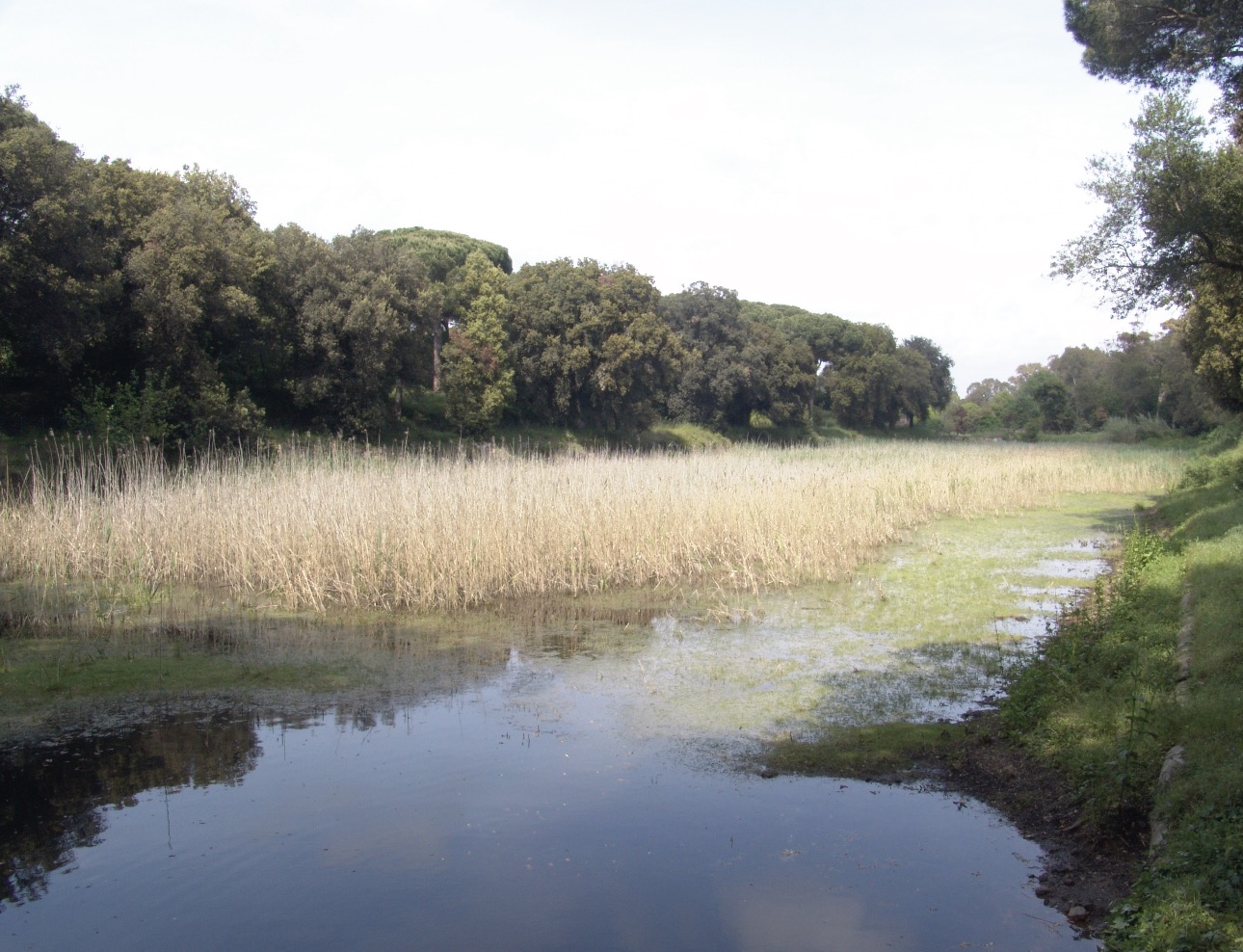
Wetland plants inside the wet dock
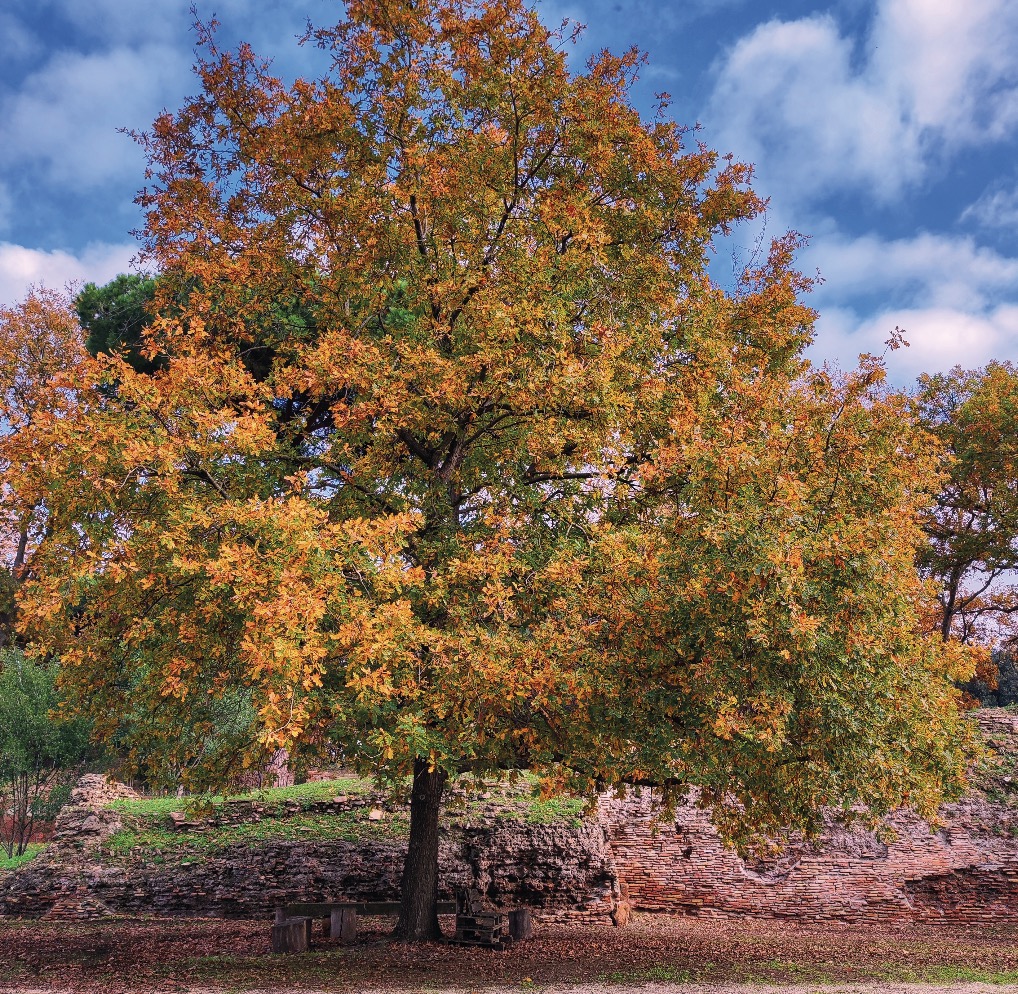
Oak
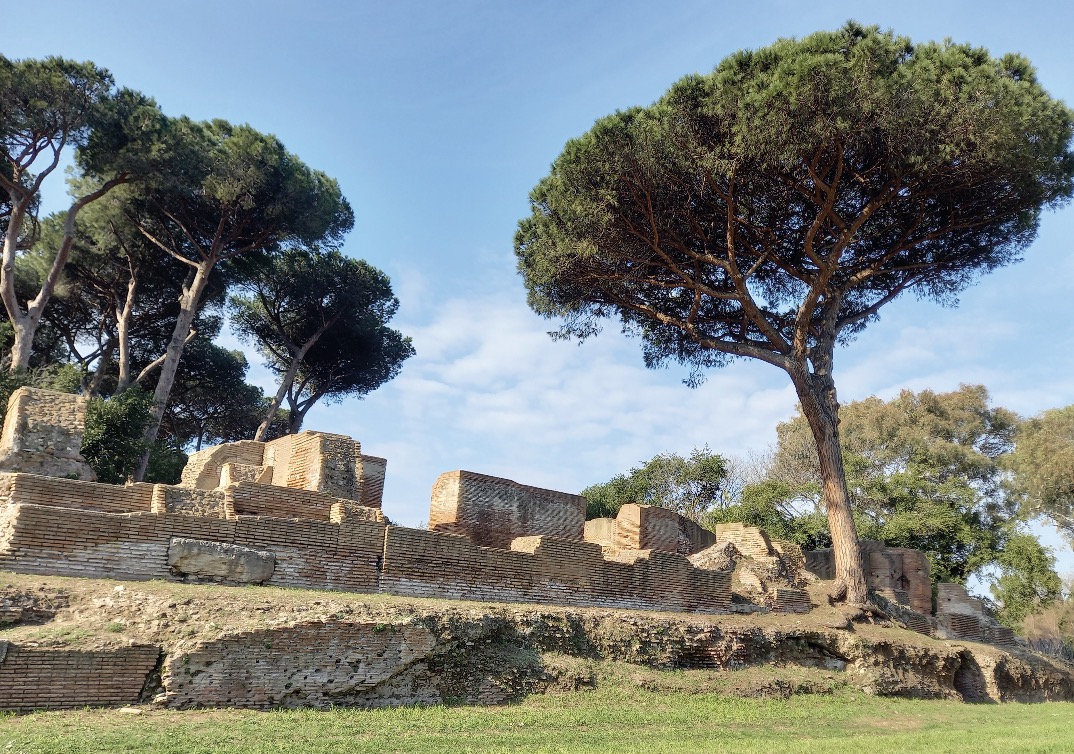
A pine growing on the archaeological structures
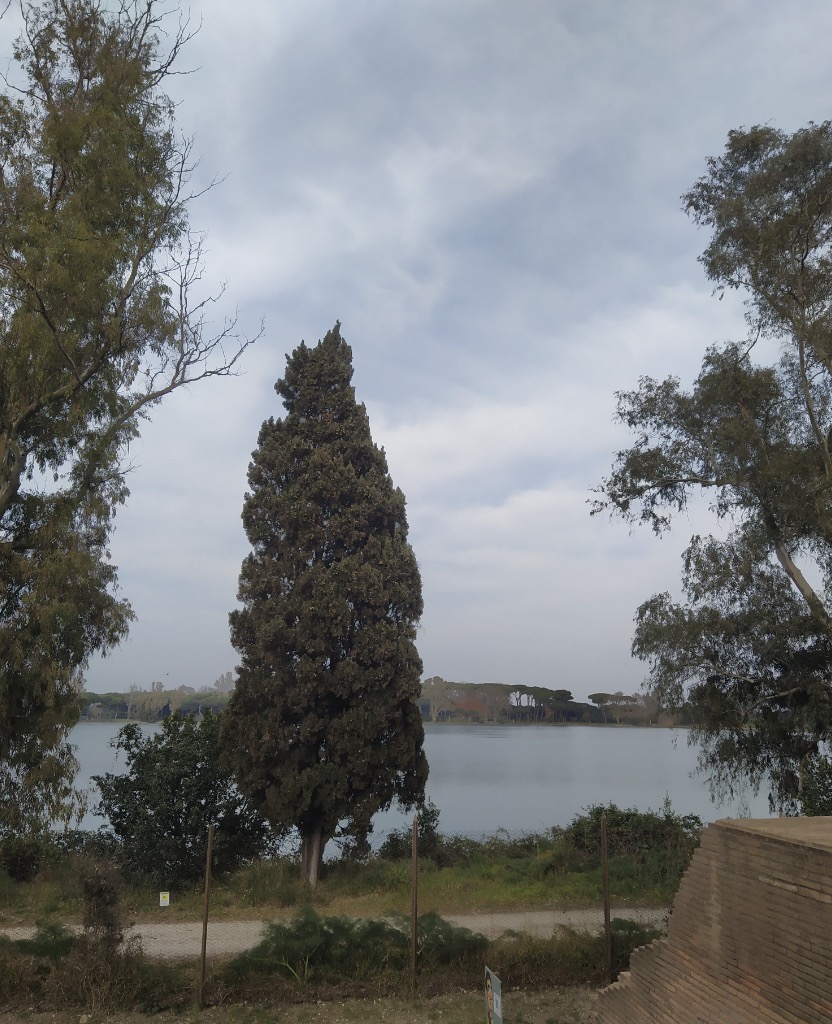
Cypress placed in front of the Belvedere of the Severan Warehouses
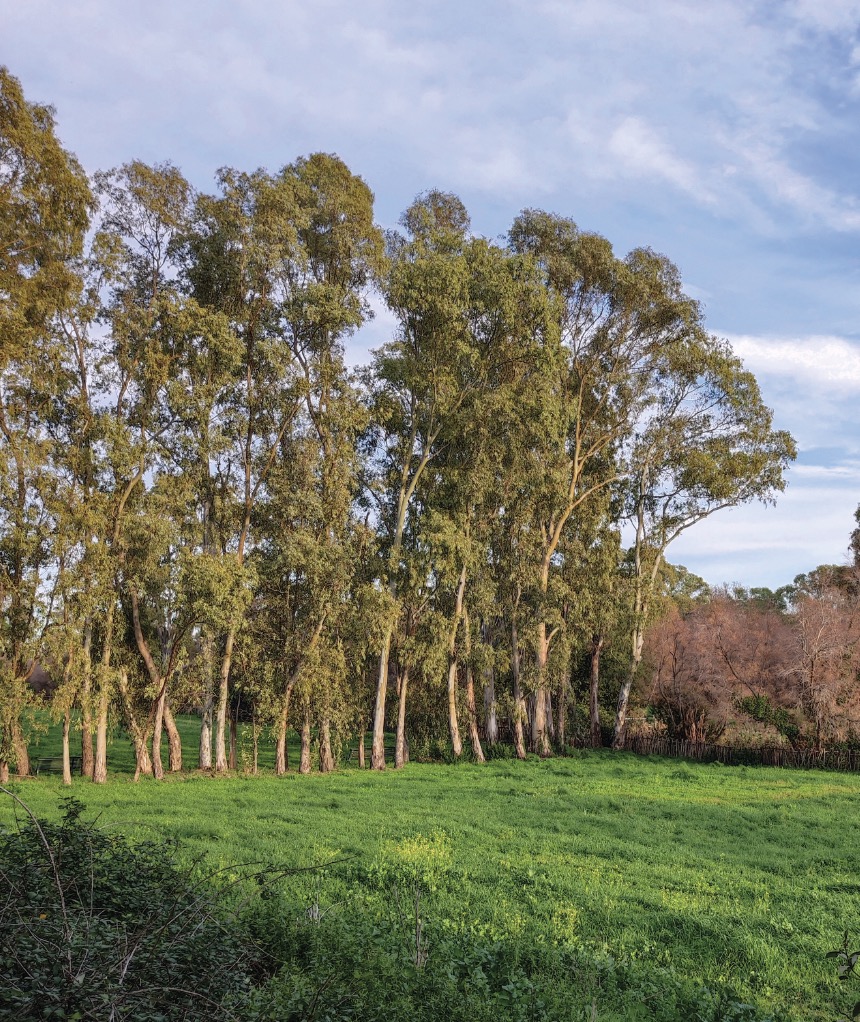
Row of eucalyptus