

The Laurentina Necropolis offers rich documentation of the rituals connected to death and burial in the Roman world. As elsewhere, the practices of interment and cremation coexisted since the Late Republic, with the latter ritual prevailing until the 2nd century AD. Cremation took place generally in a specially arranged area near the tombs or inside them (ustrinum); the ashes were then deposited in urns or ollas placed in the ground or in loculi that opened onto the tombs’ walls. Interment involved deposition in simple fossae in the ground, inside sarcophagi, or more rarely inside amphorae (enchytrismos); however, after the 2nd century AD, the practice spread of burial inside constructed fossae (formae) or large niches dug into the walls (arcosolia) of tomb buildings. The presence of funerary triclinia, wells, and ovens found in many tombs is relate to the banquets that were held on the occasion of funerals, holidays, and festivities connected with the cult of the dead.
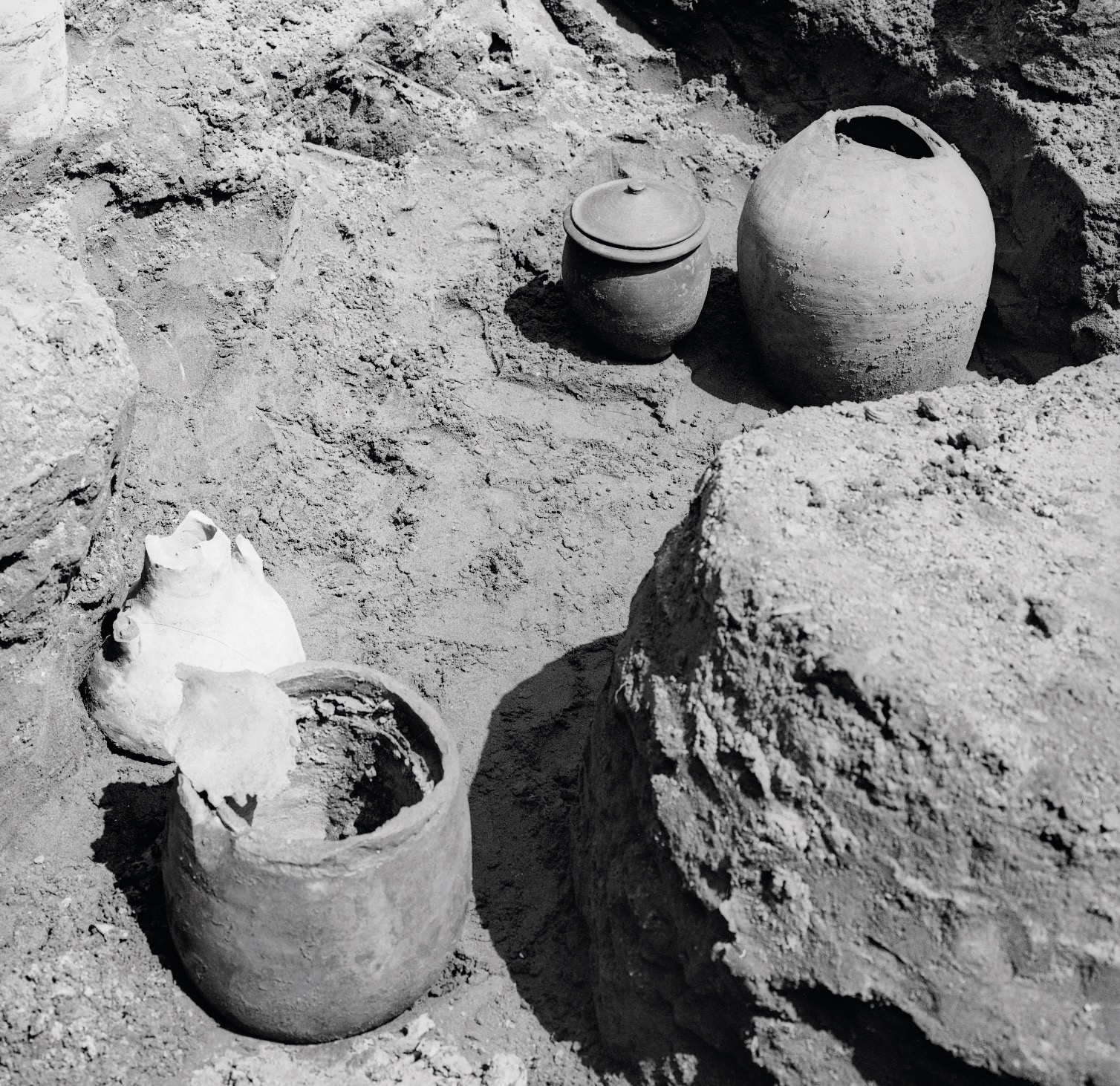
Cinerary ollas from Tomb 23
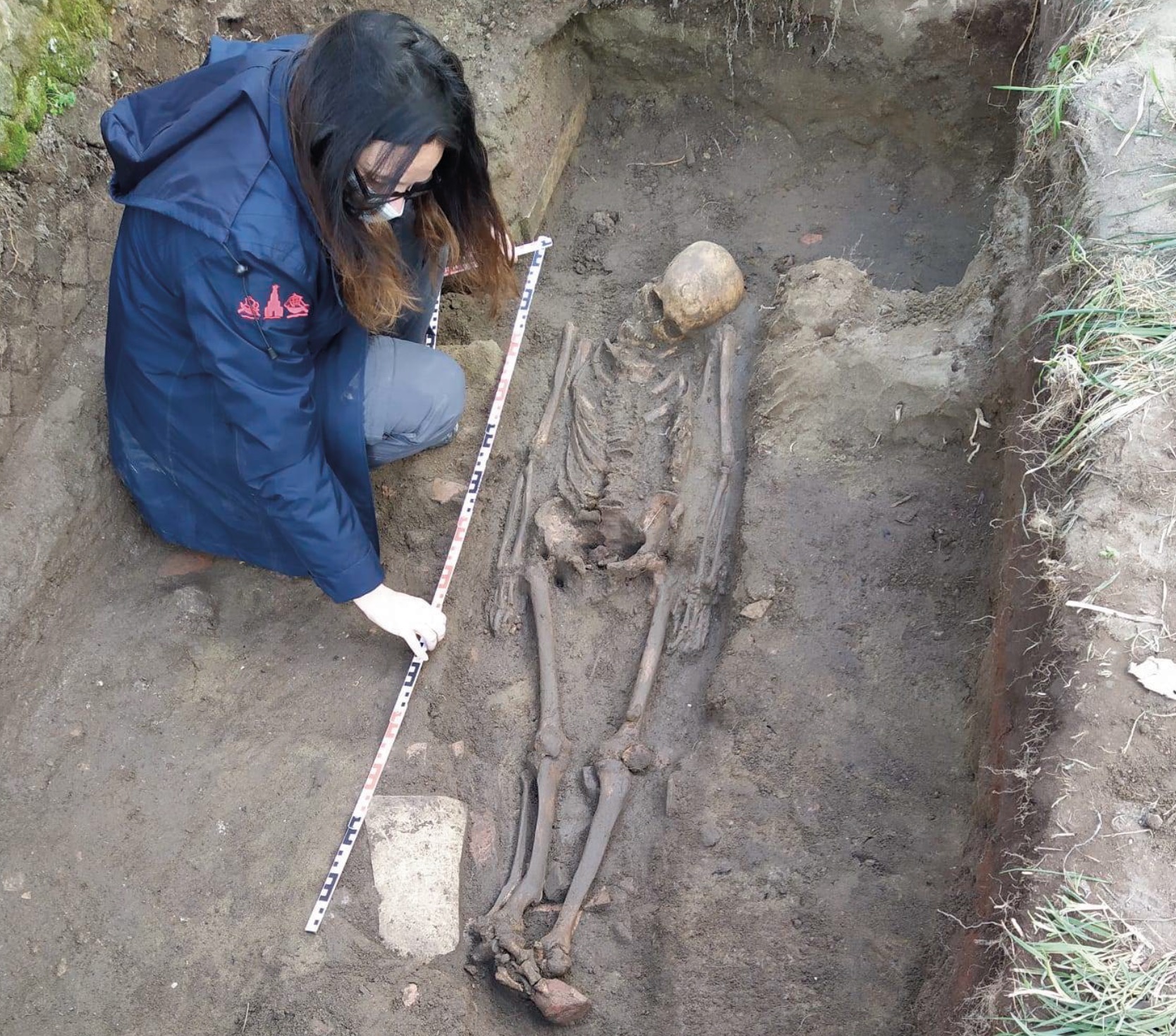
Interment excavation in earth fossa in front of Tomba 32
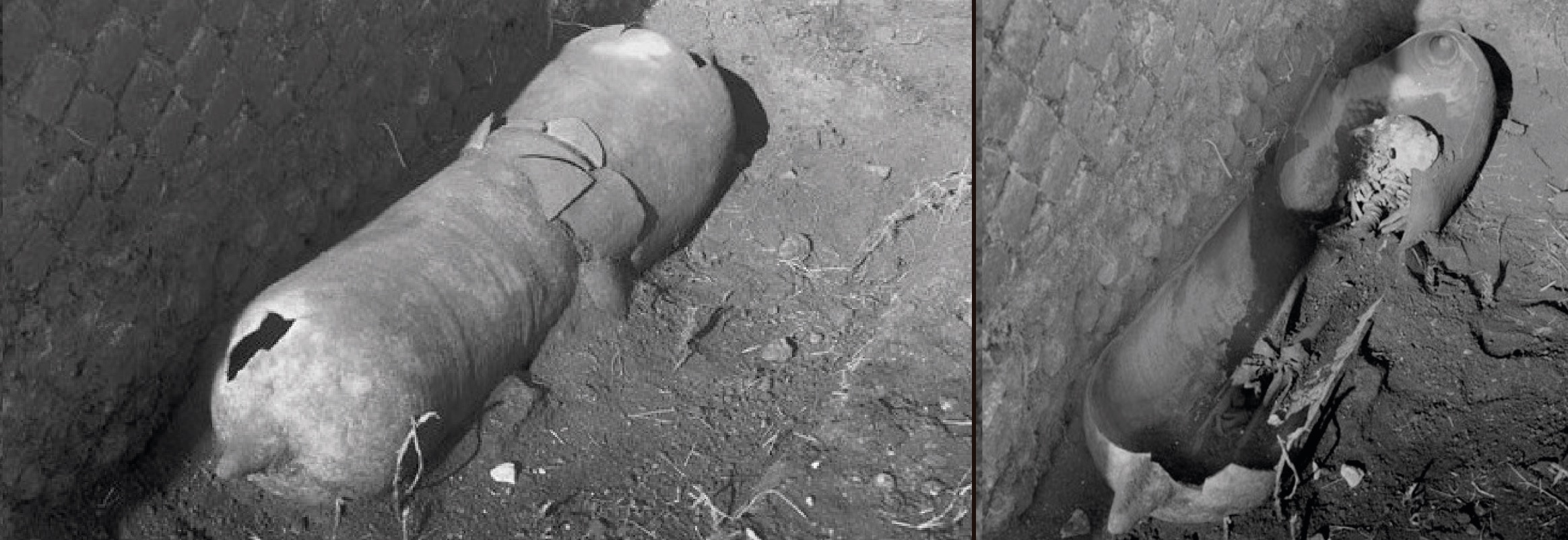
Enchytrismos burial from the Laurentina Necropolis
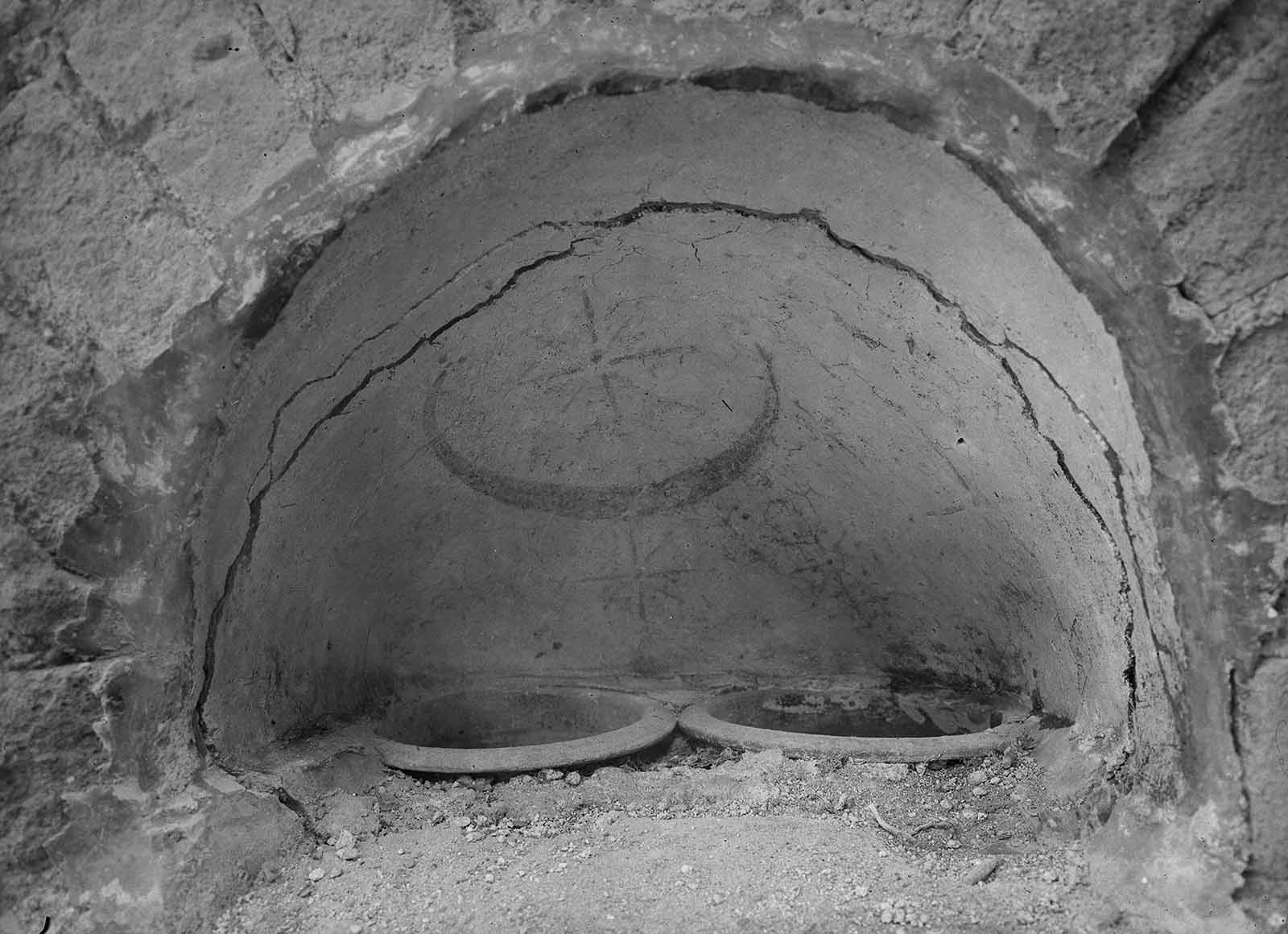
Tomb 32, detail of one of the niches of the atrium, with the ollas for cremation
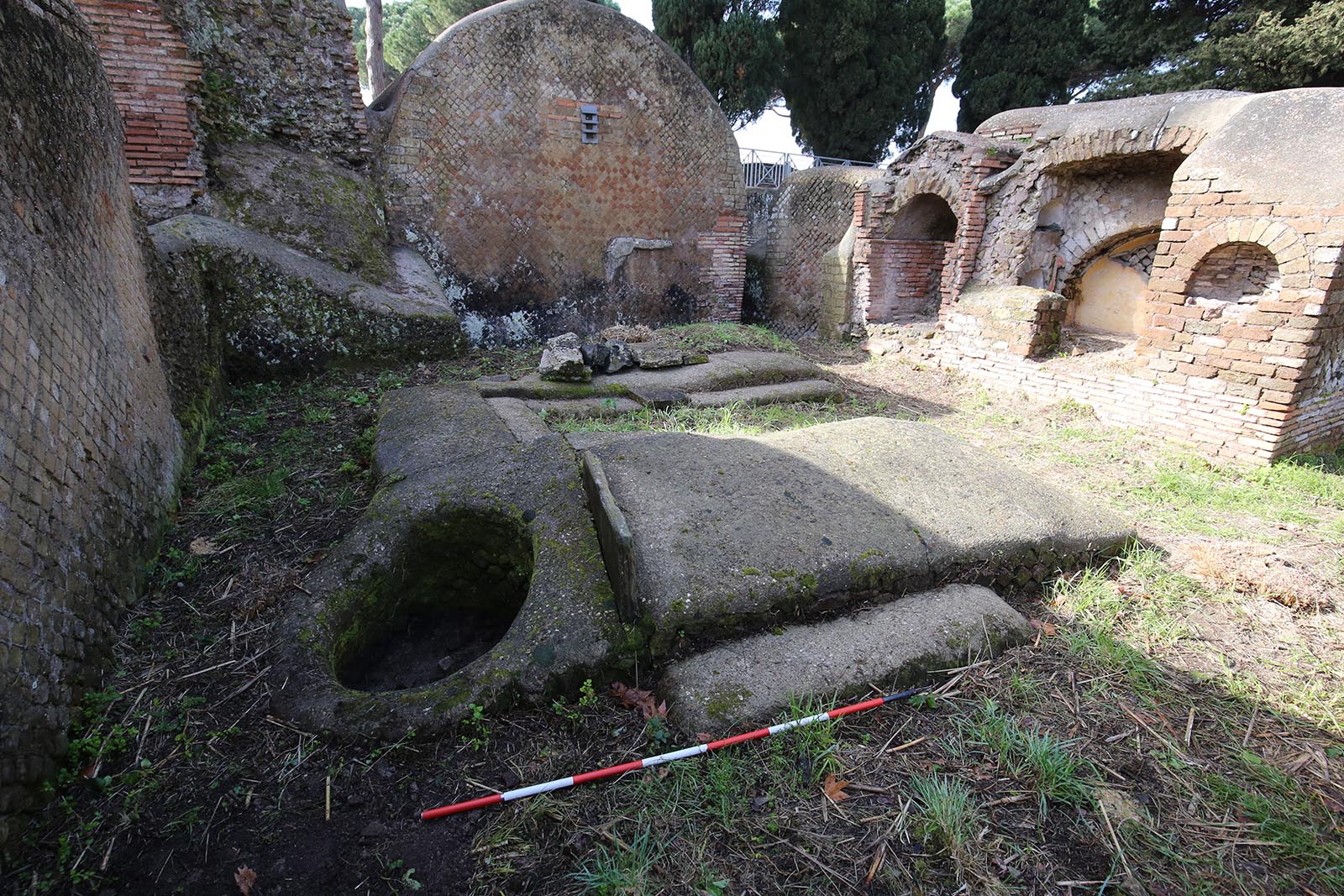
Tomb 22, well and funerary triclinium