

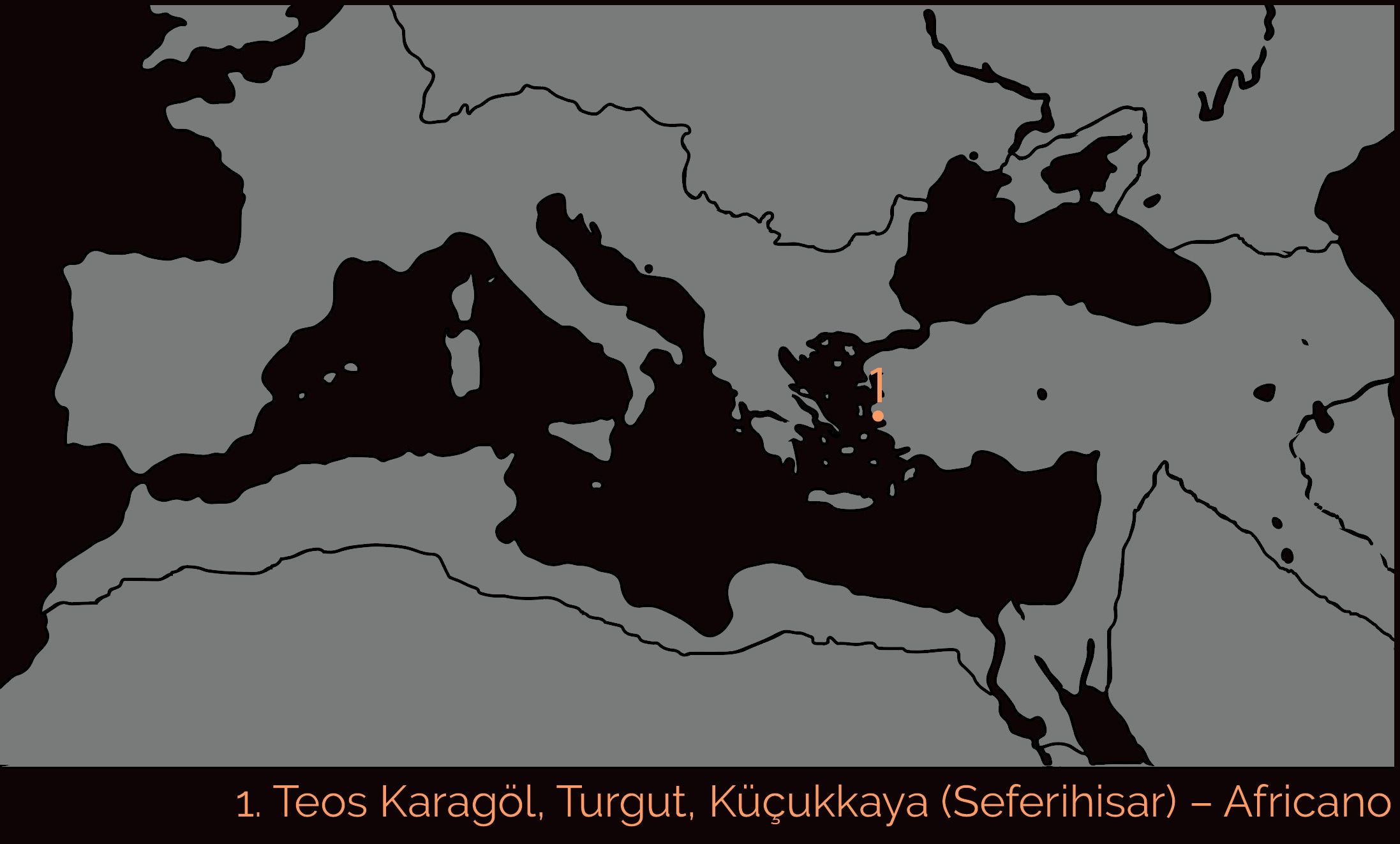
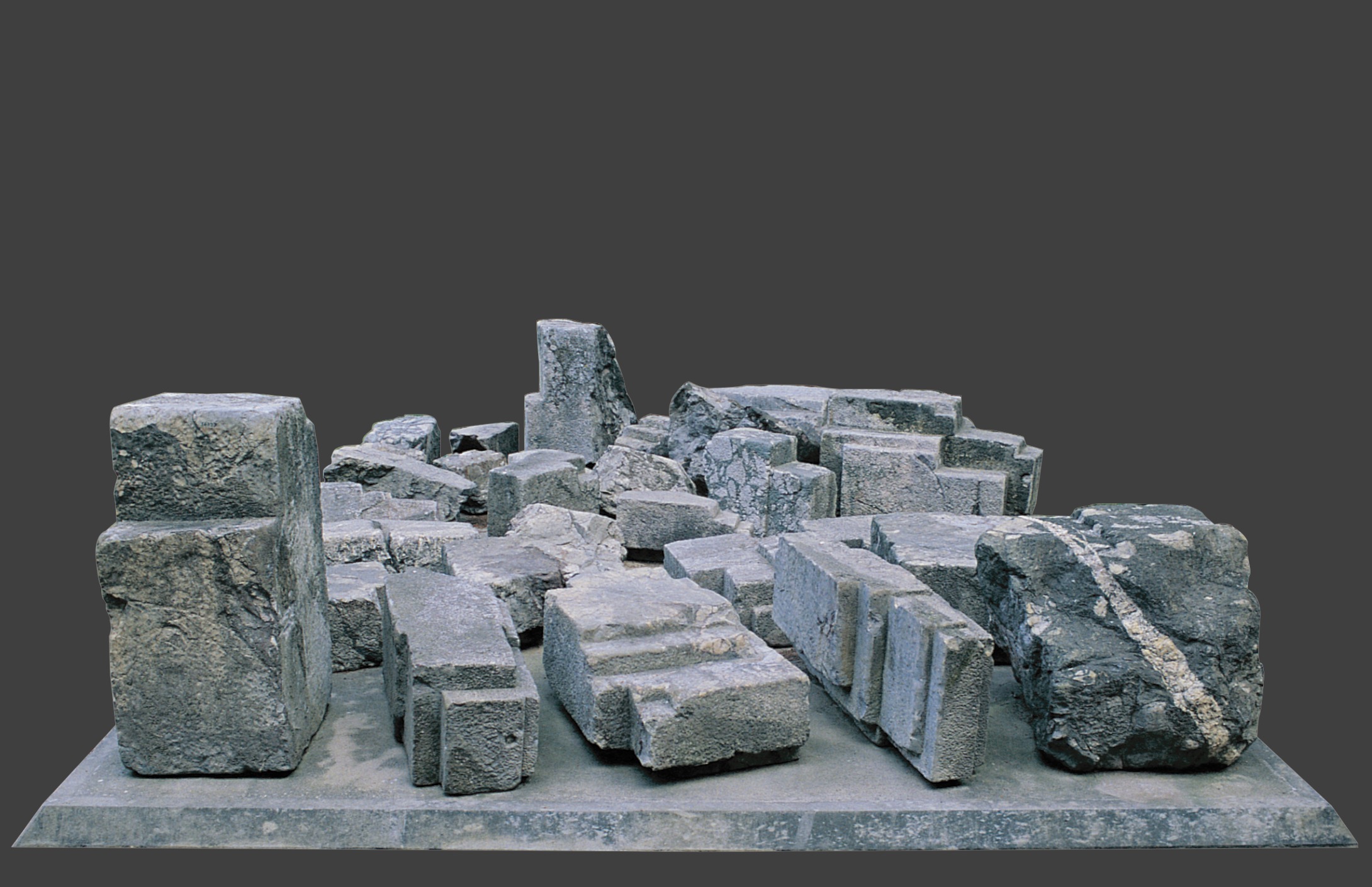
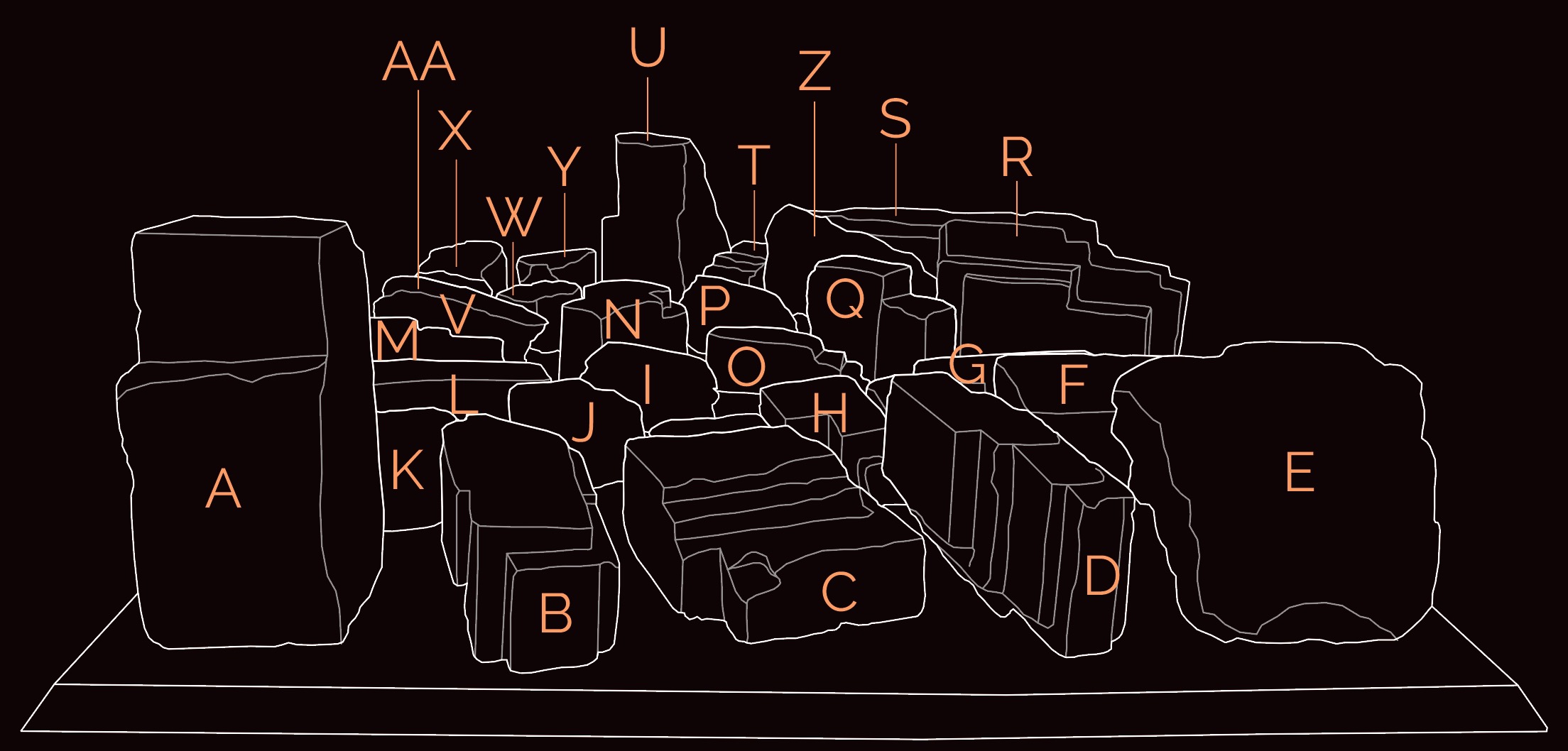
In the edict of Diocletian of AD 301, the price of africano marble is fixed at 150 denarii per foot (29.57 cm); it was thus cheaper than marble from Phrygia and Numidia, priced at 200 denarii, and more expensive than cipollino, valued at only 100 denarii. Shaping the blocks into a stepped form made it possible on the one hand to produce panels of uniform size, and on the other to avoid wasting material during later cutting: traces of the saw used during this operation can still be seen on some of the pieces. The quarry marks and inscriptions present on some blocks indicate that the extraction of marble was subject to strict centralized control, as also attested by the presence of Imperial lead seals.
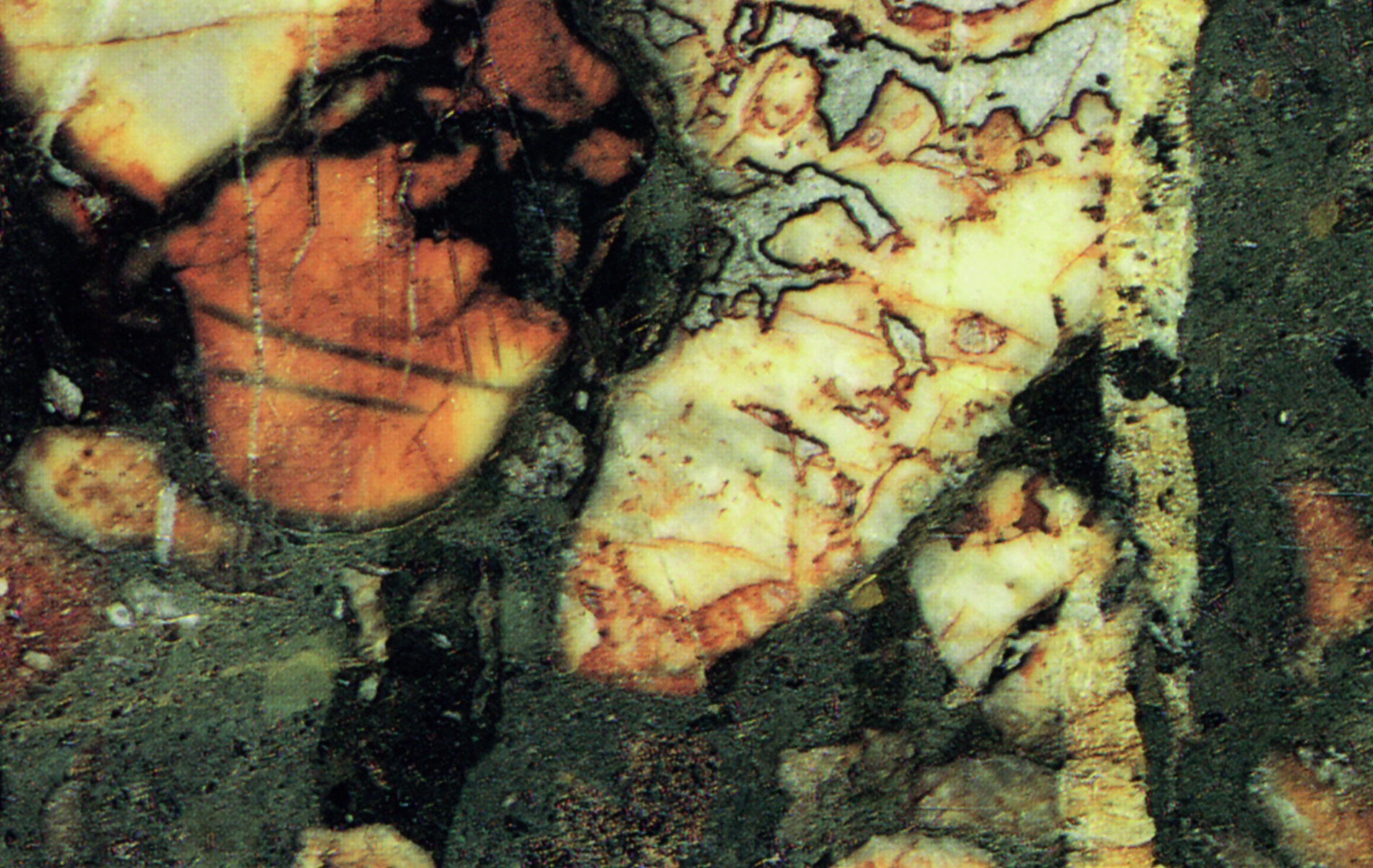
Sample of africano marble from the Podesti Collection
(Pensabene P., Bruno M. 1998)
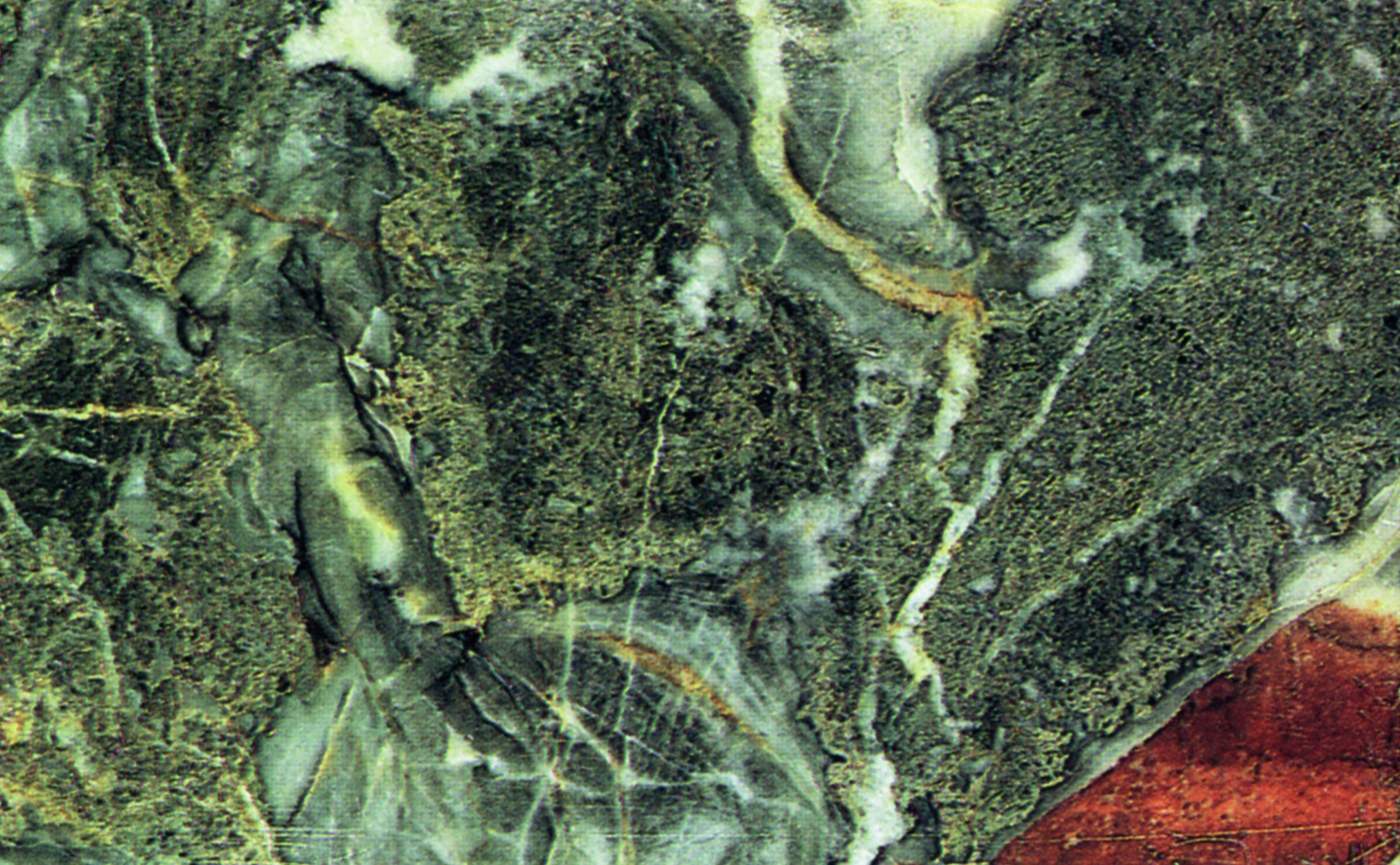
Sample of africano marble from the Podesti Collection
(Pensabene P., Bruno M. 1998)
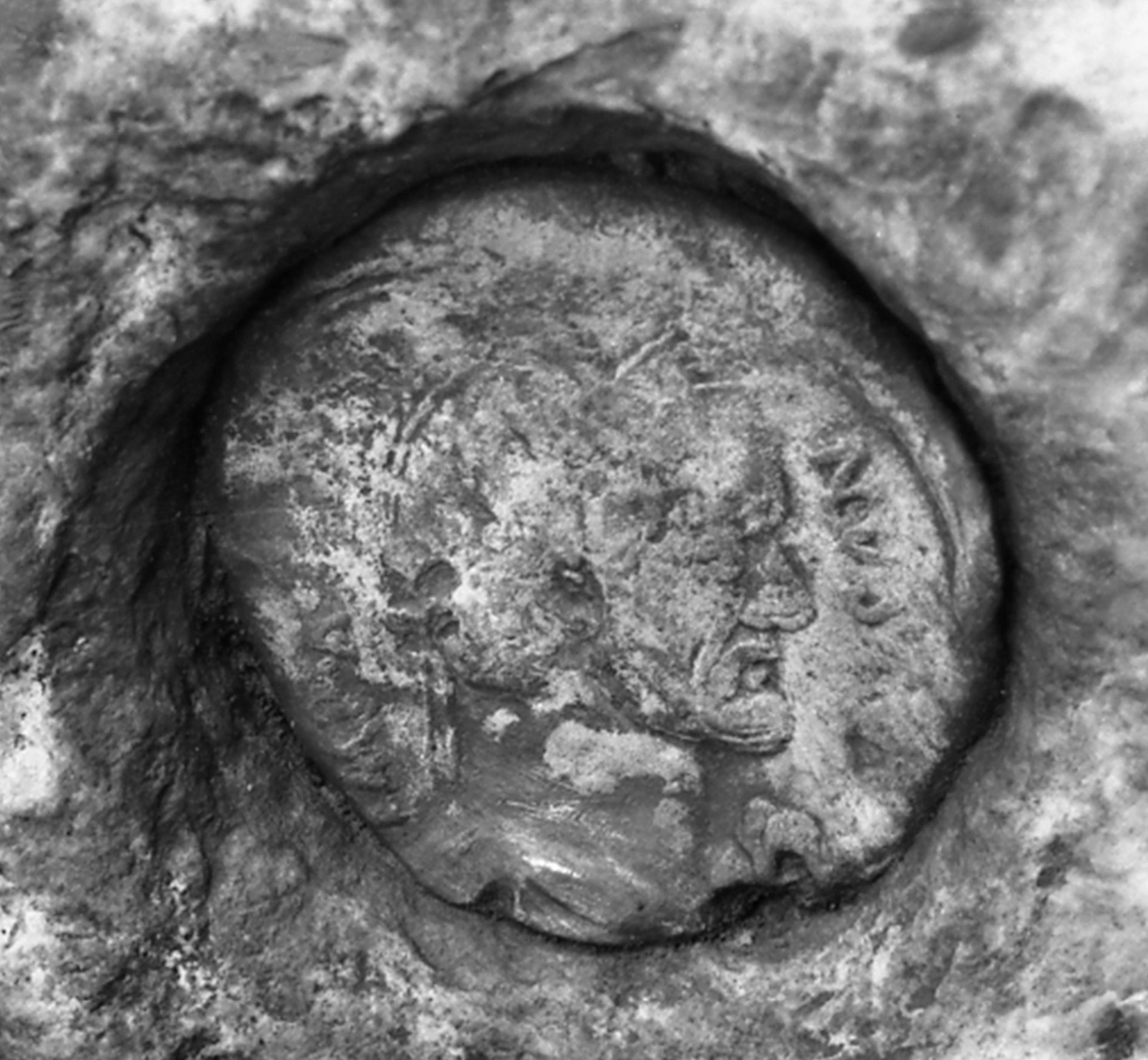
Lead seal with the portrait of Antoninus Pius from a stepped blocks of africano marble
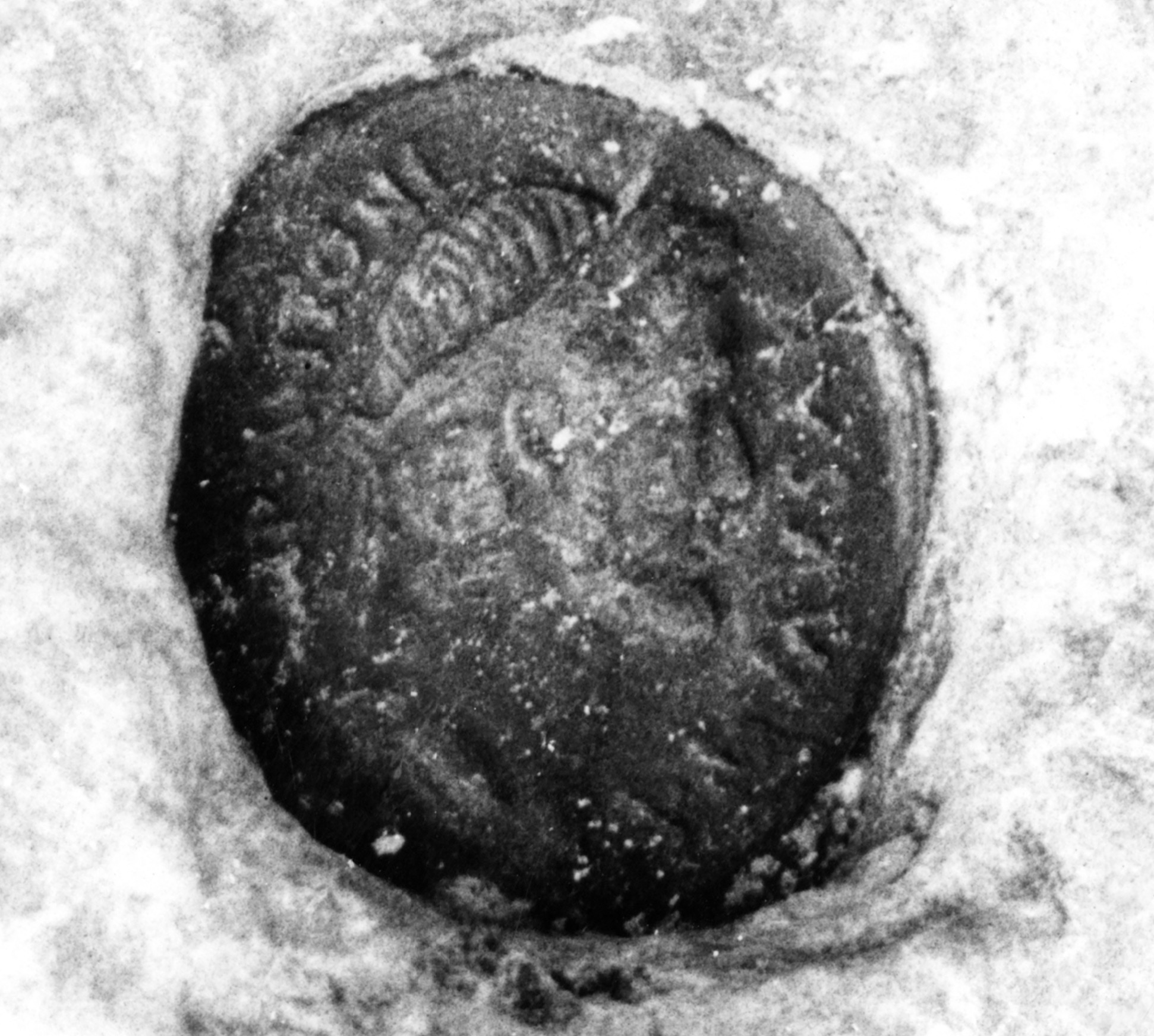
Lead seal with the portrait of Antoninus Pius from a stepped blocks of africano marble

Lead seal with the portrait of Hadrian from a stepped block of africano marble
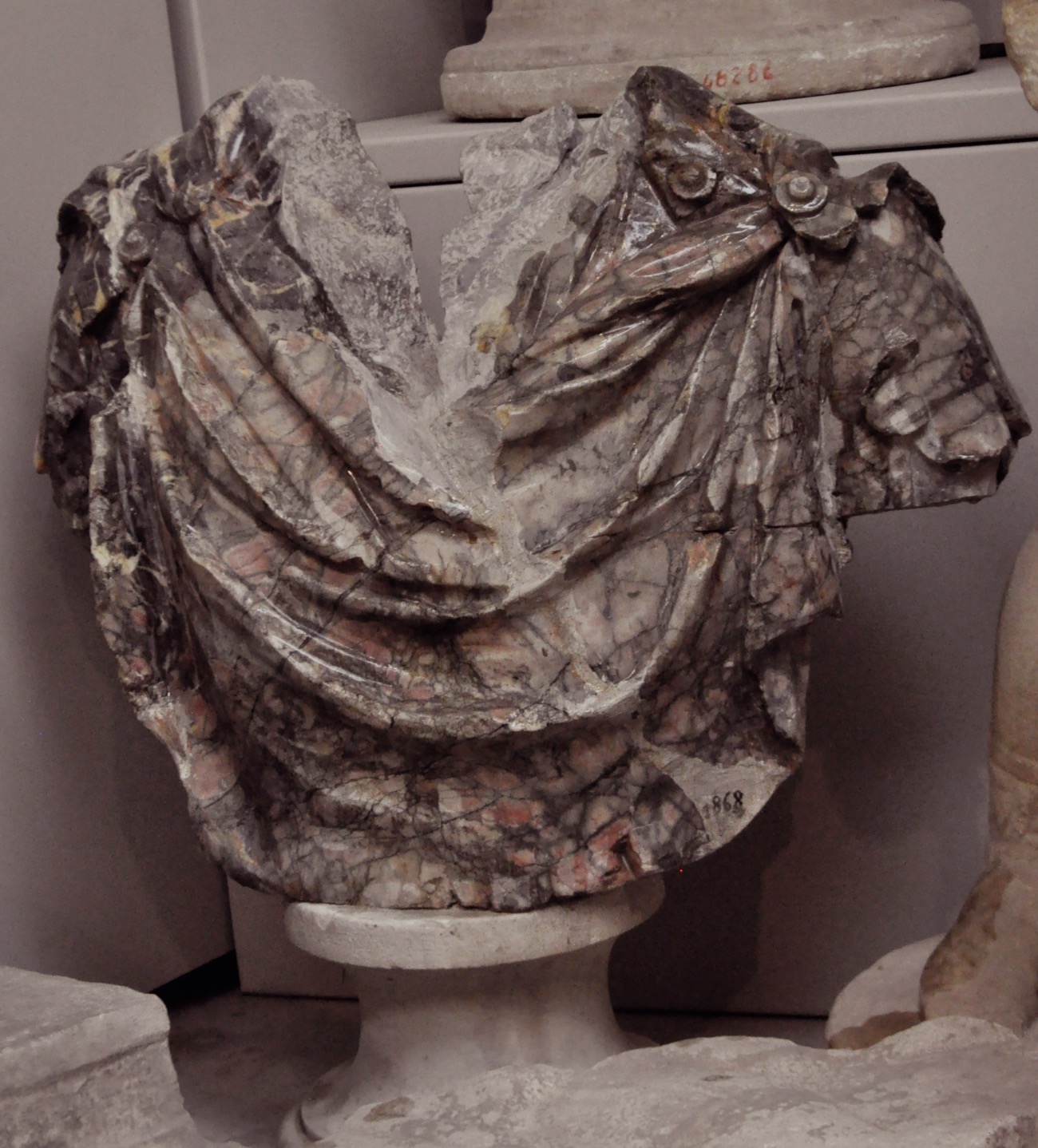
Ostia, storerooms. Draped male bust in africano marble from the Bishop’s Palace at Portus